Bone Grafting Before Dental Implants: What Sector 38 Patients Should Know
If your dentist has told you that you need a bone graft before getting a dental implant, you are not alone. It is one of the most common extra steps in implant treatment, and it exists for a good reason. At Rohini Dental Care in Sector 38, Gurugram, we explain this step clearly so patients know exactly why it is needed, what happens during the procedure, and what to expect financially.
Why Bone Grafting Is Sometimes Needed
A dental implant needs enough healthy jawbone around it to stay firm and stable for years. When a tooth is lost, the bone that used to support it begins to shrink over time because it no longer gets the stimulation from chewing. This is called bone resorption, and it happens faster in the first year after extraction.
Common reasons patients in Sector 38 are advised to get a graft include:
- Teeth missing for several months or years before seeking an implant
- Gum disease that has eaten away supporting bone
- A tooth removed due to infection, which often leaves a bony defect
- Thin or narrow jaw ridges, especially in the upper back jaw near the sinus
- Old dentures that have caused long-term bone shrinkage
Your dentist checks this with an X-ray or a 3D CT scan, not just a visual exam, since bone volume cannot be judged by looking at the gums alone.
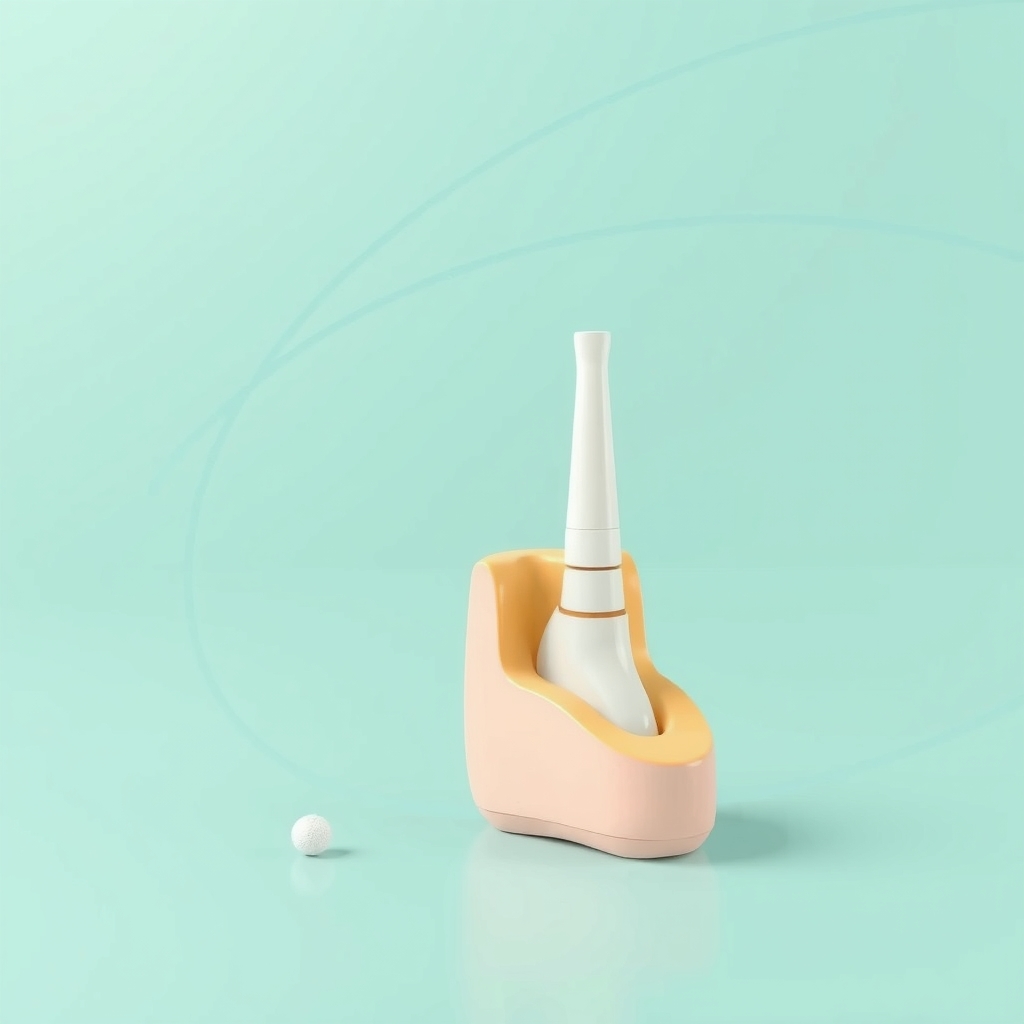
Types of Bone Grafting Techniques
The right technique depends on how much bone is missing and where.
Socket Preservation
Done right after a tooth extraction, this fills the empty socket with graft material to stop the natural bone shrinkage before it starts. It is the simplest and most common type.
Ridge Augmentation
Used when the jawbone ridge has become too thin or short to hold an implant. Graft material is added to rebuild width and height over several months.
Sinus Lift
Needed for upper back teeth where the sinus cavity sits close to the jaw. The sinus lining is gently lifted and bone graft material is placed underneath to create enough height for an implant.
Block Grafting
For larger defects, a small block of bone (your own or donor bone) is fixed to the jaw with tiny screws and allowed to integrate before implant placement.
Graft material itself may come from your own body, a processed human or animal source, or a synthetic bone substitute. Your dentist will recommend the safest and most effective option for your case.
Healing Timeline
Bone grafting is not an instant fix. The graft needs time to fuse with your natural bone before it can support an implant.
- Minor grafts (socket preservation): 3 to 4 months healing
- Ridge augmentation: 4 to 6 months healing
- Sinus lifts: 5 to 8 months healing
- Block grafts: 6 to 9 months healing
In some cases, a smaller graft can be done at the same time as implant placement if there is already reasonable bone support. Your dentist will confirm this during your consultation after reviewing your scan.
Typical Costs in Sector 38, Gurugram
Costs vary based on the graft type, material used, and how much bone needs rebuilding. The figures below are a typical range for planning purposes and not a fixed quote.
| Procedure | Typical Range (INR) |
|---|---|
| Socket preservation | 5,000 to 12,000 per site |
| Ridge augmentation | 15,000 to 35,000 |
| Sinus lift | 20,000 to 45,000 |
| Block grafting | 25,000 to 55,000 |
These figures do not include the implant itself, the crown, or the scan needed for planning. A detailed cost estimate can only be given after an in-person evaluation at our Sector 38 clinic.
What Happens After the Graft
Recovery usually involves mild swelling and tenderness for a few days, managed with prescribed medication and a soft diet. Avoid smoking and vigorous rinsing, as these can disturb the healing graft. Regular follow-up visits let your dentist track bone growth through X-rays before scheduling implant placement.
Bone grafting may feel like an extra step, but it is what gives your implant the strong foundation it needs to last for many years. If you have been told you need a graft, bring your existing X-rays or scans to your visit at Rohini Dental Care, Sector 38, Gurugram, so we can walk you through your specific treatment plan.
Have questions about your teeth?
Rohini Dental Care · 209 P, Medicity, Islampur Colony, Sector 38, Gurugram
Frequently asked questions
Will I be without teeth while the graft heals?
Not usually. A temporary denture, flipper, or adjusted partial can be used so you are not left without teeth during healing.
Is bone grafting painful?
Most patients report mild to moderate discomfort for a few days, similar to a tooth extraction. Pain medication and ice packs manage it well.
Can I avoid grafting altogether?
Sometimes. Short implants, angled placement, or zygomatic implants can occasionally bypass grafting. Your dentist will tell you if you qualify after an X-ray or scan.
How do I know if I need a graft before my consultation?
You generally cannot know for certain without an X-ray or CT scan, since bone loss is assessed by imaging, not by how your gums look or feel.
Treatment costs mentioned on this page are indicative ranges for the Sector 38, Gurugram region. Your exact cost depends on your case and will be confirmed after a clinical examination at the clinic.