White or Brown Mottled Teeth in Gurugram: Understanding Fluorosis and Treatment Options
If you or your child have noticed white flecks, chalky patches, or brown mottled spots on your teeth, you are not alone. This is a common concern among families in Sector 38 and other parts of Gurugram where groundwater naturally contains higher fluoride levels than recommended. The condition is called dental fluorosis, and while it changes how teeth look, it is generally not a sign of disease or poor dental hygiene.
What Causes Dental Fluorosis
Fluoride is helpful for teeth in small, controlled amounts, which is why it is added to toothpaste and some water supplies. But when a person consumes too much fluoride, especially during childhood while adult teeth are still forming under the gums, it can disrupt enamel development. The result is enamel that looks mottled, with white streaks, chalky patches, or in more pronounced cases, brown or dark staining.
In parts of Haryana, including areas around Gurugram, groundwater and borewell water can naturally contain elevated fluoride levels. Families who rely on borewell water for drinking and cooking, particularly during a child's early years, may unknowingly expose their children to more fluoride than ideal. Swallowing fluoride toothpaste frequently during brushing in early childhood can also contribute.
Who Is Most at Risk
- Children under 8 years old, since this is when permanent teeth are forming beneath the gums
- Households using untreated borewell or groundwater as the main drinking source
- Children who swallow toothpaste regularly instead of spitting it out
- Areas with naturally high fluoride content in local soil and water tables
Recognising the Different Levels of Fluorosis
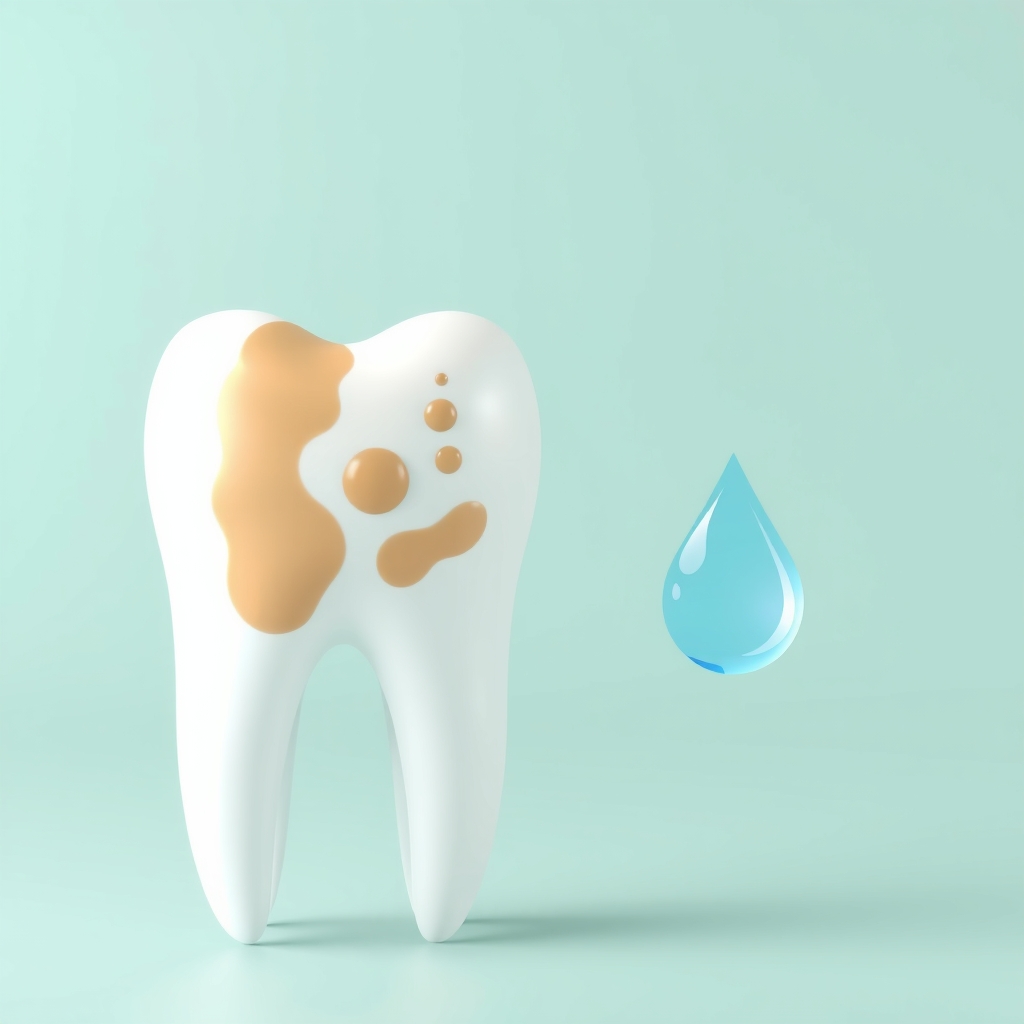
Fluorosis appears in varying degrees of severity, and understanding where you fall can help guide treatment choices.
| Severity | Appearance |
|---|---|
| Very mild | Small white flecks or streaks, barely noticeable |
| Mild | White opaque patches covering more of the tooth surface |
| Moderate | Brown staining mixed with white patches, more visible when talking or smiling |
| Severe | Pitted, rough enamel texture with noticeable brown discoloration |
Mild and very mild cases are the most common and often go unnoticed by anyone but the person themselves. Moderate to severe cases are more likely to affect confidence in smiling or speaking in public.
Cosmetic and Dental Treatment Options
The good news is that fluorosis spots, regardless of severity, can usually be improved with the right dental treatment. The choice depends on how deep the discoloration is and your personal preference for how natural or long-lasting you want the result to be.
Microabrasion
This is a conservative, in-clinic procedure where a dentist gently removes a very thin layer of the stained enamel surface using a mild abrasive compound. It works best for mild to moderate white or brown surface stains and often shows visible improvement in a single sitting.
Teeth Whitening
Professional whitening can sometimes even out the contrast between stained and normal enamel, particularly for milder cases. It is less effective on deep brown fluorosis stains and works best when combined with other treatments.
Dental Bonding
A tooth coloured composite resin is applied over the stained areas to mask the discoloration and restore a uniform appearance. This is a reasonably quick, non-invasive option that can last several years with good care.
Veneers
For moderate to severe fluorosis, especially where enamel texture is affected, thin porcelain or composite veneers placed over the front of the teeth offer the most consistent and long-lasting cosmetic correction.
Typical range for microabrasion sessions in Sector 38, Gurugram generally falls between Rs 1,500 and Rs 4,000 per sitting, while composite bonding typically ranges from Rs 2,500 to Rs 6,000 per tooth. Veneers usually cost more, with a typical range of Rs 8,000 to Rs 25,000 per tooth depending on material. Your dentist can give you an accurate estimate after an in-person examination, since pricing depends on the number of teeth involved and the technique used.
Preventing Fluorosis in Younger Children
If you have young children at home, a few simple steps can reduce their fluoride exposure while teeth are still developing.
- Use a pea sized amount of fluoride toothpaste for children under 6 and supervise brushing so they spit rather than swallow
- Consider getting your drinking water tested if you rely on a borewell, particularly in Sector 38 and nearby localities
- Ask your dentist whether fluoride supplements or fluoride varnish are appropriate, since your child may already be getting enough from water and toothpaste
If you have noticed white or brown spots on your teeth or your child's teeth, a dental visit can confirm whether it is fluorosis and help you understand which treatment suits your situation best. Our team at Rohini Dental Care in Sector 38, Gurugram regularly sees and treats fluorosis cases and can walk you through realistic, honest options after an examination.
Have questions about your teeth?
Rohini Dental Care · 209 P, Medicity, Islampur Colony, Sector 38, Gurugram
Frequently asked questions
Is dental fluorosis harmful to my health?
No. Dental fluorosis is a cosmetic condition affecting how the tooth enamel looks. It does not cause pain, infection, or weaken the tooth's function in most cases. Severe fluorosis can make enamel slightly more prone to wear, but it is not a disease or infection.
Can fluorosis spots be removed permanently at home with whitening toothpaste?
Regular whitening toothpaste cannot remove fluorosis stains because the discoloration is inside the enamel layer, not on the surface. Professional treatments like microabrasion, bonding, or veneers are needed for visible improvement.
How do I know if my tap or borewell water has excess fluoride?
You cannot tell by taste or appearance alone. Local water testing labs or municipal health departments can test a water sample for fluoride levels. If you rely on borewell water in Sector 38, periodic testing is a sensible precaution, especially for young children.
Will my child's permanent teeth also get fluorosis if baby teeth are affected?
Not necessarily. Fluorosis develops while permanent teeth are still forming under the gums, usually from excess fluoride intake between birth and age 8. Reducing fluoride exposure during this window can help protect teeth that haven't erupted yet.
Treatment costs mentioned on this page are indicative ranges for the Sector 38, Gurugram region. Your exact cost depends on your case and will be confirmed after a clinical examination at the clinic.