Dry Socket After Tooth Extraction: Causes, Signs, and Treatment
If you had a tooth removed a few days ago and the pain is getting worse instead of better, you might be dealing with dry socket. This is a well-known complication after extractions, and while it can be uncomfortable, it is manageable once identified. Here is what patients in Sector 38, Gurugram should know about why it happens and how it is treated.
What Is Dry Socket?
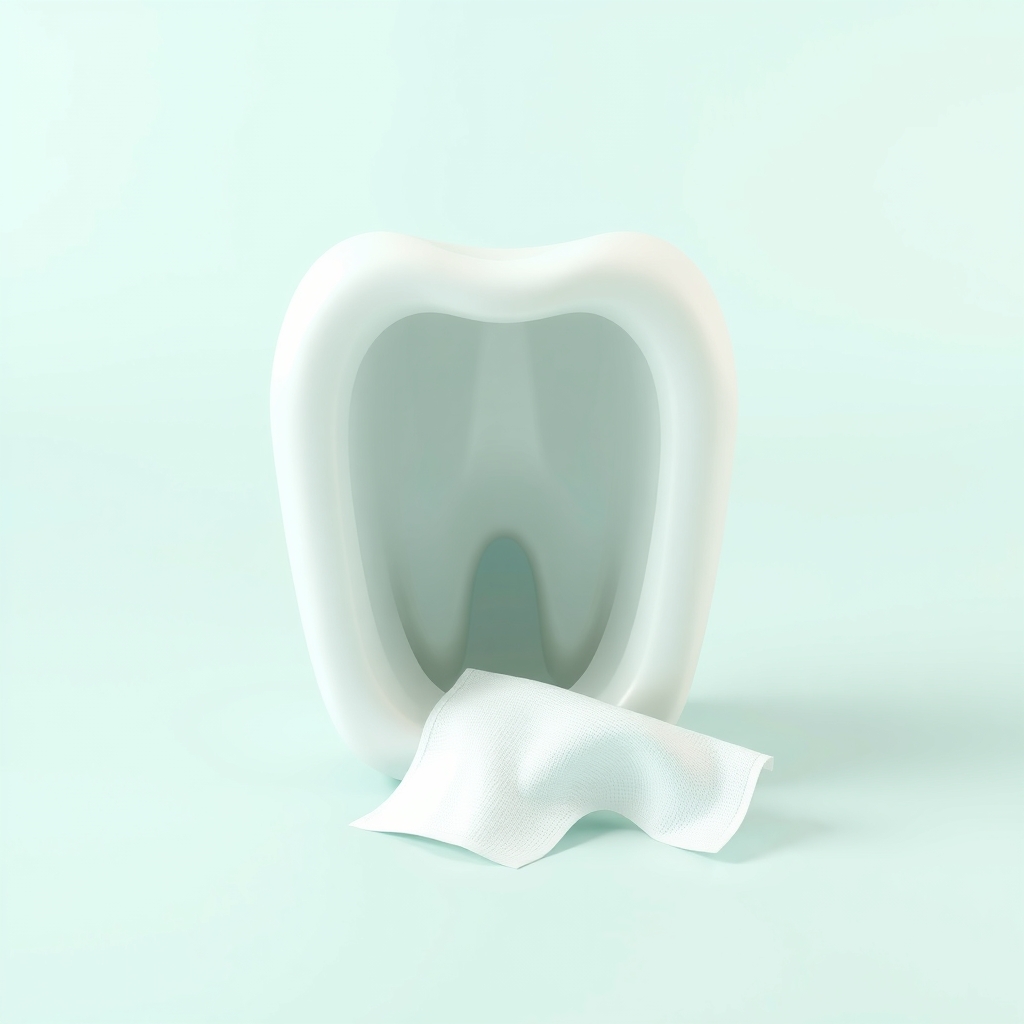
After a tooth is extracted, a blood clot forms in the empty socket. This clot protects the underlying bone and nerves while new tissue grows underneath it. Dry socket, known medically as alveolar osteitis, happens when this clot is dislodged, dissolves too early, or never forms properly. Without this protective layer, the bone and nerve endings are exposed to air, food, and bacteria, which causes noticeable pain.
Why It Happens
Dry socket does not happen to everyone, but certain factors raise the risk. Understanding these can help you take better care after an extraction.
- Smoking or using tobacco products soon after extraction
- Vigorous rinsing, spitting, or using a straw in the first 24 to 48 hours
- Poor oral hygiene before or after the procedure
- Difficult or surgical extractions, such as impacted wisdom teeth
- Having had dry socket before
- Taking birth control pills, which can affect clotting in some patients
Warning Signs to Watch For
It helps to know the difference between normal post-extraction discomfort and dry socket symptoms.
Normal Healing
Mild to moderate soreness that is strongest in the first 24 hours and then steadily improves each day. This discomfort usually responds well to the painkillers your dentist prescribed.
Signs of Dry Socket
- Pain that worsens around day two or three instead of improving
- Sharp, throbbing pain that may radiate to the ear, eye, or jaw on the same side
- An empty-looking socket, sometimes with visible bone
- A bad taste in the mouth or noticeable bad breath
- Mild fever in some cases
If you notice these signs, it is best to visit your dentist rather than waiting it out, since over-the-counter painkillers often do not fully relieve dry socket pain.
How Dry Socket Is Prevented
Most cases can be avoided by following simple aftercare steps closely for the first few days.
- Avoid smoking or tobacco for at least 48 to 72 hours after extraction
- Do not rinse, spit forcefully, or use a straw on the day of the procedure
- Eat soft, cool foods and chew on the opposite side
- Keep the area clean with gentle salt water rinses starting the next day, as advised by your dentist
- Follow any specific instructions given for stitches or gauze
- Attend your follow-up visit if one is scheduled, especially after wisdom tooth removal
How It Is Treated
If dry socket is diagnosed, treatment at the clinic usually brings quick relief. The dentist will gently clean the socket to remove any food debris or bacteria, then place a medicated dressing directly into the socket. This dressing soothes the exposed bone and nerve and is often changed every day or two until healing progresses. Pain relief is usually felt within a day of the first dressing.
At home, your dentist may also recommend pain medication, warm salt water rinses after the first 24 hours, and avoiding hard or crunchy foods until the socket has closed over properly.
| Aspect | Typical Detail |
|---|---|
| When symptoms appear | Usually 2 to 4 days after extraction |
| Typical duration with treatment | Pain relief in 1 to 2 days, full healing in 7 to 10 days |
| Clinic visit cost (typical range) | Varies by case; discuss during consultation |
Dry socket is not dangerous, but it is painful enough that most patients prefer prompt treatment rather than waiting for it to resolve naturally. If you have had an extraction recently and your pain pattern matches what is described above, it is worth getting it checked rather than guessing.
Patients near Medicity, Islampur Colony, and across Sector 38, Gurugram can call Rohini Dental Care at +91 98737 91714 to discuss symptoms and arrange a visit if needed.
Have questions about your teeth?
Rohini Dental Care · 209 P, Medicity, Islampur Colony, Sector 38, Gurugram
Frequently asked questions
How do I know if I have dry socket and not normal healing pain?
Normal pain after extraction gradually improves each day and is manageable with medicine. Dry socket pain usually gets worse around day 2 or 3, feels sharp or throbbing, and may spread to your ear or jaw on the same side.
Can dry socket heal on its own without treatment?
It can eventually heal on its own over one to two weeks, but the pain is often severe enough that most patients need a dentist to clean the socket and place a medicated dressing for relief.
How long does dry socket pain usually last?
With proper treatment, most patients feel noticeable relief within a day or two. Complete healing of the socket typically takes seven to ten days.
Is dry socket common after every extraction?
No. It affects a small percentage of extractions overall, though the risk is somewhat higher after lower wisdom tooth removal compared to other teeth.
Treatment costs mentioned on this page are indicative ranges for the Sector 38, Gurugram region. Your exact cost depends on your case and will be confirmed after a clinical examination at the clinic.