Teeth Grinding (Bruxism): Causes, Warning Signs and Treatment Options
Waking up with a sore jaw, a dull headache, or noticing your teeth look shorter or flatter than before? These are common signs of bruxism, or teeth grinding, a condition that affects many adults and some children without them even realising it. At Rohini Dental Care in Sector 38, Gurugram, we see patients regularly who did not know their headaches and tooth sensitivity were linked to nighttime grinding.
What Causes Teeth Grinding?
Bruxism can happen while awake or asleep, though sleep-related grinding is more common and often harder to notice until damage appears. Several factors can contribute to it.
- Stress and anxiety: Emotional tension is one of the most frequent triggers, especially in busy urban lifestyles.
- Bite misalignment: Teeth that do not meet evenly can cause the jaw to shift and grind during sleep.
- Sleep disorders: Conditions like sleep apnea are closely linked with grinding episodes.
- Lifestyle factors: High caffeine or alcohol intake, smoking, and certain medications can increase grinding frequency.
- Age and genetics: Bruxism sometimes runs in families and is more common in younger adults.
Warning Signs You Should Not Ignore
Because grinding often happens during sleep, many people only discover it after visible damage occurs. Watch for these signs.
- Flattened, chipped, or cracked teeth
- Increased tooth sensitivity to hot or cold
- Jaw soreness or stiffness, especially in the morning
- Frequent headaches near the temples
- Clicking or popping sounds in the jaw joint
- A partner noticing grinding sounds at night
- Indentations on the tongue or cheek tissue
If left untreated, chronic grinding can wear down enamel, loosen fillings or crowns, and contribute to temporomandibular joint (TMJ) discomfort over time.
How Bruxism Is Diagnosed
During a dental examination, we check for visible wear patterns on the biting surfaces of teeth, tenderness in the jaw muscles, and signs of joint strain. We will also ask about your sleep quality, stress levels, and any headaches or jaw pain you have noticed. In some cases, especially where sleep apnea is suspected, we may recommend a referral for a sleep study.
Treatment Options That Protect Your Teeth
Custom Night Guards
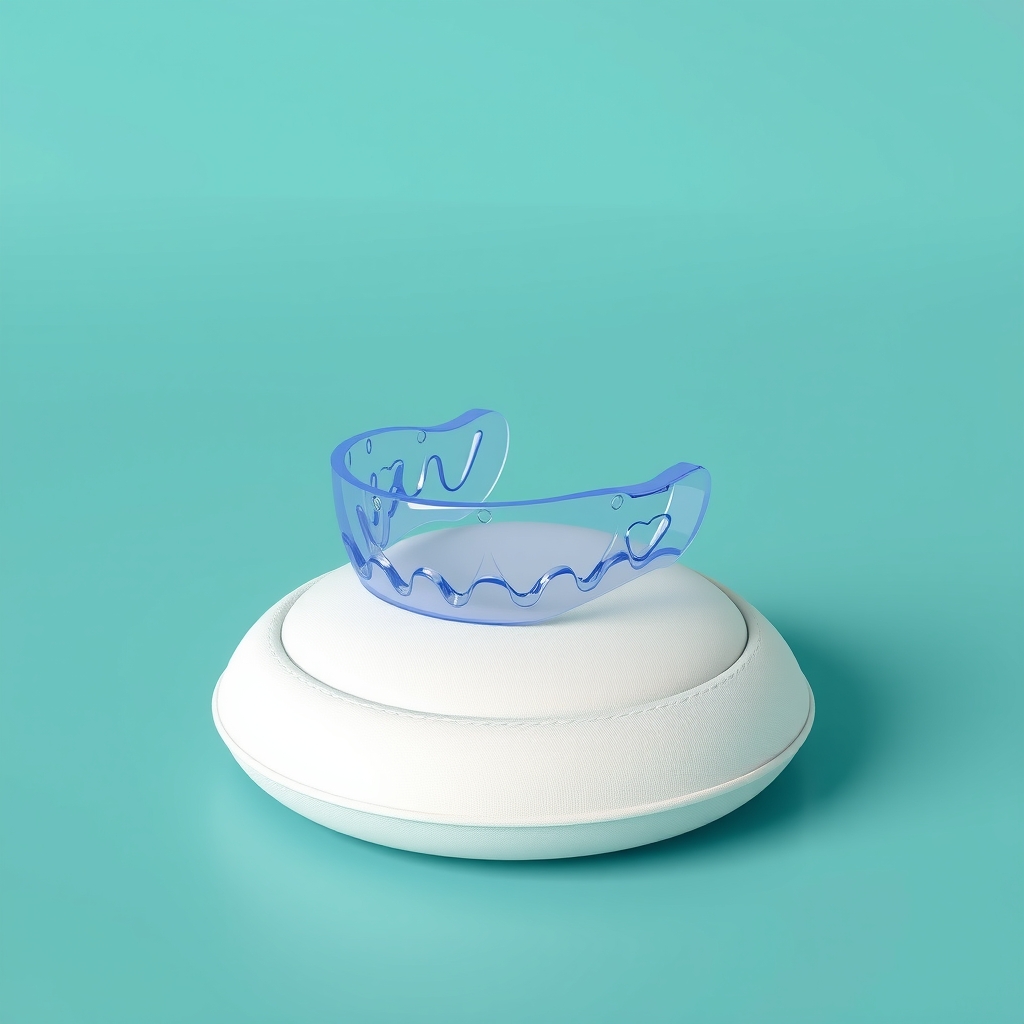
A custom-fitted night guard is one of the most effective ways to protect teeth from grinding damage. Unlike store-bought guards, a custom guard is made from an impression of your own teeth, so it fits precisely, feels more comfortable, and distributes bite force evenly. This reduces strain on the jaw muscles and prevents further wear on tooth surfaces.
Bite Correction
If misaligned teeth are contributing to grinding, we may suggest minor adjustments to your bite or discuss orthodontic options to create a more even, stable bite over time.
Stress Management and Lifestyle Changes
Since stress is a major trigger, simple changes like reducing caffeine intake, practicing relaxation techniques, or improving sleep hygiene can meaningfully reduce grinding frequency alongside dental treatment.
Jaw Muscle Relief
For patients with significant jaw pain, we may recommend gentle jaw exercises, warm compresses, or a referral for further evaluation if TMJ symptoms are persistent.
Typical Cost Considerations
Costs for bruxism treatment vary depending on the severity of grinding and the type of appliance needed. As a general guide for patients in Sector 38, Gurugram, a custom night guard typically falls in the range of INR 3,000 to 8,000, while further bite correction or TMJ-related treatment may cost more depending on individual needs. Please note this is a typical range and your dentist will confirm exact costs after an examination.
| Treatment | Purpose | Typical Range (INR) |
|---|---|---|
| Custom night guard | Protects teeth from grinding damage | 3,000 - 8,000 |
| Bite adjustment | Corrects uneven contact points | Varies by case |
| TMJ evaluation | Assesses jaw joint strain | Varies by case |
When to See a Dentist
If you notice worn or sensitive teeth, recurring jaw pain, or morning headaches, it is worth getting a dental check-up before the damage progresses. Early treatment with a custom night guard can prevent costly repairs later and help you wake up feeling more comfortable. Our team at Rohini Dental Care, located in Medicity, Islampur Colony, Sector 38, Gurugram, is here to assess your symptoms and recommend a suitable, conservative treatment plan.
Have questions about your teeth?
Rohini Dental Care · 209 P, Medicity, Islampur Colony, Sector 38, Gurugram
Frequently asked questions
Is teeth grinding always caused by stress?
Stress is a common trigger, but bruxism can also happen due to bite misalignment, sleep disorders like sleep apnea, certain medications, or high caffeine and alcohol intake. A dental check-up helps identify what is contributing to your grinding.
Can children grind their teeth too?
Yes, teeth grinding is fairly common in children, especially during tooth eruption or growth phases. Most children outgrow it, but a dentist should monitor for wear on baby or permanent teeth.
How long do I need to wear a night guard?
Most patients wear a custom night guard indefinitely as long as grinding continues, since it protects teeth from further wear. Your dentist will check the fit and condition periodically and advise if a replacement is needed.
Will a night guard stop me from grinding my teeth?
A night guard does not stop the grinding habit itself, but it creates a protective barrier that prevents tooth wear, fractures, and reduces the muscle strain that causes jaw pain and headaches.
Treatment costs mentioned on this page are indicative ranges for the Sector 38, Gurugram region. Your exact cost depends on your case and will be confirmed after a clinical examination at the clinic.