Dental Abscess and Tooth Infection: Symptoms, Causes, and Treatment
A throbbing tooth, a swollen cheek, or a bad taste that will not go away can be signs of a dental abscess. This is a common but serious problem, and patients in Sector 38, Gurugram often come to us unsure whether their symptoms need urgent attention or can wait a few days. This article explains what causes a tooth infection, how to recognise it, and what treatment usually involves.
What Is a Dental Abscess?
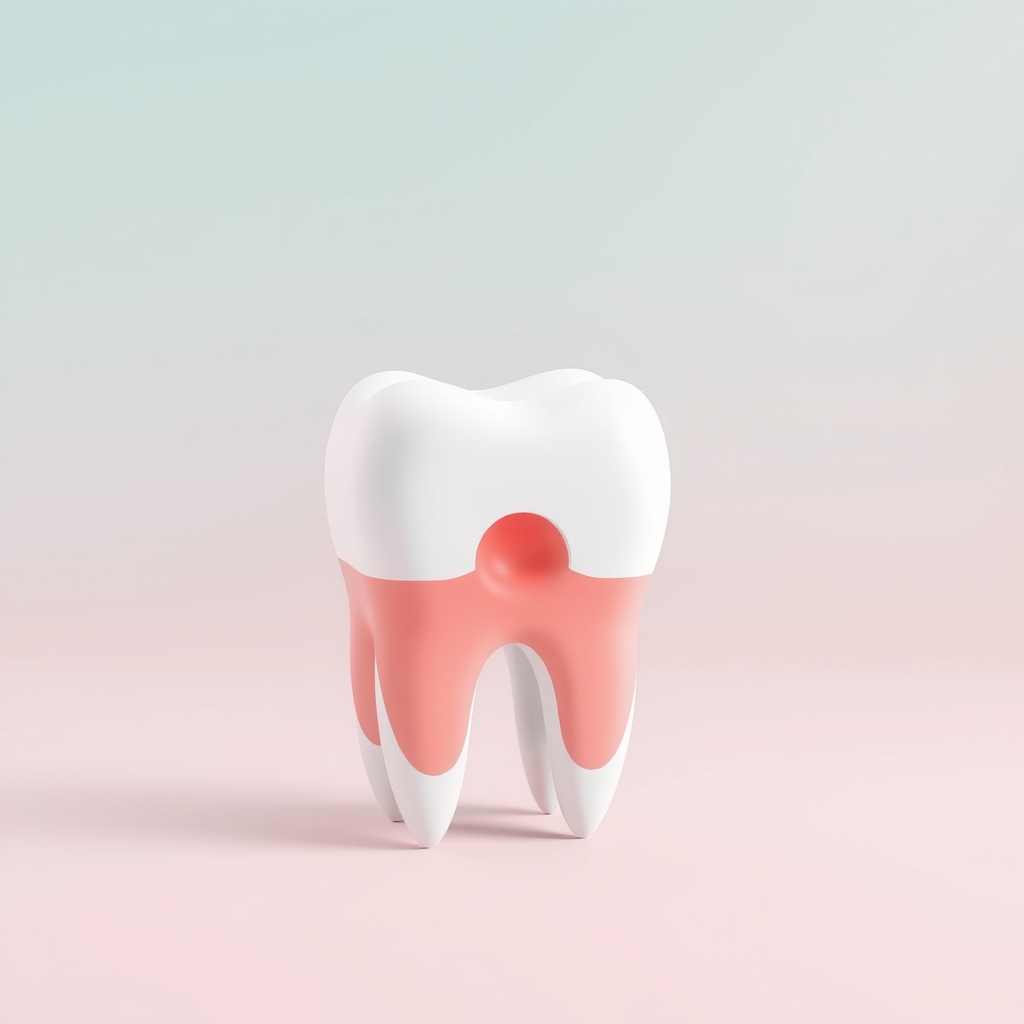
A dental abscess is a pocket of pus caused by a bacterial infection. It usually starts inside a tooth, often through untreated decay, a cracked tooth, or an old filling that has failed. Bacteria reach the soft inner pulp of the tooth, multiply, and the body's immune response creates pus, which builds up pressure and pain.
Common Causes
- Deep, untreated tooth decay reaching the nerve
- A cracked or fractured tooth allowing bacteria inside
- Gum disease that has progressed and affected the tooth's supporting structures
- Failed or leaking old fillings and crowns
- Injury to a tooth, even if it happened months earlier
Symptoms to Watch For
Symptoms can develop gradually or appear suddenly. Common signs include:
- Persistent, throbbing tooth pain that may worsen at night
- Sensitivity to hot or cold that lingers well after the trigger is removed
- Swelling in the face, cheek, or gum near the affected tooth
- A bad taste in the mouth or foul-smelling breath
- A pimple-like bump on the gum that may drain fluid
- Tenderness when chewing or touching the tooth
- Mild fever or a general feeling of being unwell
Pain sometimes reduces suddenly if the abscess ruptures on its own. This is not a sign of healing. The infection is still present and needs treatment.
When It Becomes a Dental Emergency
Most tooth infections need prompt care, but certain signs mean you should seek emergency treatment right away, at a dental clinic or hospital emergency room:
- Swelling that spreads to the eye, neck, or under the jaw
- Difficulty swallowing, speaking, or breathing
- High fever with chills
- Rapidly increasing facial swelling
- Feeling generally very unwell alongside dental pain
These symptoms suggest the infection may be spreading beyond the tooth into surrounding tissue or deeper spaces of the face and neck, which can become serious quickly. Please do not wait for a routine appointment if you notice these signs.
How a Tooth Infection Is Treated
Treatment depends on how far the infection has progressed and whether the tooth can be saved.
1. Drainage
If there is a visible swelling or abscess pointing to the gum, the dentist may need to drain the pus to relieve pressure and pain. This is often the first step before further treatment.
2. Antibiotics
Antibiotics may be prescribed if the infection is spreading, if there is fever, or if swelling extends beyond the tooth. They help control the infection but are almost always paired with a dental procedure to remove its source.
3. Root Canal Treatment
If the tooth's structure can still be saved, root canal treatment removes the infected pulp tissue from inside the tooth, cleans the canals, and seals them. A crown is often placed afterward to protect and restore the tooth. This is a common and effective way to keep your natural tooth.
4. Extraction
If the tooth is too damaged, badly decayed, or the infection has caused significant bone loss, extraction may be the safer option. Your dentist will discuss replacement options such as a bridge or implant if needed.
| Treatment | When it's used | Typical range (INR)* |
|---|---|---|
| Drainage of abscess | Visible swelling with pus buildup | 800 to 2,500 |
| Root canal treatment | Tooth can be saved | 4,000 to 12,000 per tooth |
| Extraction | Tooth cannot be saved | 1,500 to 5,000 |
*These are typical ranges for Sector 38, Gurugram and vary based on the tooth involved, complexity, and any additional procedures needed. Your dentist will confirm actual costs after examination and X-rays.
What Happens If You Delay Treatment
Untreated tooth infections do not stay contained. They can spread to the jawbone, sinuses, or other parts of the face and neck, and in rare cases become life-threatening. Early treatment is almost always simpler, more comfortable, and better for saving the tooth than waiting until symptoms worsen.
What You Can Do While Waiting for Your Appointment
- Rinse gently with warm salt water several times a day
- Take over-the-counter pain relief as directed on the packaging
- Avoid very hot, cold, or hard foods on the affected side
- Do not apply heat to the swollen area
- Do not attempt to drain the abscess yourself
If you are in Sector 38, Gurugram and experiencing tooth pain, swelling, or fever, please call Rohini Dental Care at +91 98737 91714. Early evaluation helps us treat the infection before it becomes more serious.
Have questions about your teeth?
Rohini Dental Care · 209 P, Medicity, Islampur Colony, Sector 38, Gurugram
Frequently asked questions
Can a tooth infection go away on its own without treatment?
No. A dental abscess will not heal on its own. Pain may temporarily reduce as pressure releases, but the infection remains and can spread. It always needs professional treatment.
Will antibiotics alone cure a tooth infection?
Antibiotics can control the spread of infection and reduce swelling, but they do not remove the source. The infected tooth still needs drainage, root canal treatment, or extraction to fully resolve the problem.
How do I know if my tooth infection is a dental emergency?
Facial swelling, fever, difficulty swallowing or breathing, or swelling spreading toward the eye or neck are emergency signs. Please call us or visit urgent dental care immediately if you notice these.
Does root canal treatment hurt more than the infection itself?
No. Root canal treatment is done under local anaesthesia and is generally more comfortable than the infection itself, since it removes the source of pain and pressure.
Treatment costs mentioned on this page are indicative ranges for the Sector 38, Gurugram region. Your exact cost depends on your case and will be confirmed after a clinical examination at the clinic.