Tooth Enamel Erosion: Why It Happens and How to Protect Your Teeth
If your teeth look thinner at the edges, slightly see-through, or feel rough and more sensitive than before, you may be noticing the early signs of enamel erosion. Enamel is the hard outer layer that protects your teeth, and once it wears away, it does not grow back. Understanding what causes this wear can help you protect your smile before the damage progresses.
What Causes Enamel Erosion
Enamel erosion happens when acids soften and gradually dissolve the mineral structure of your teeth. This is different from tooth decay caused by bacteria, though both can lead to similar problems if left untreated.
Acidic Foods and Drinks
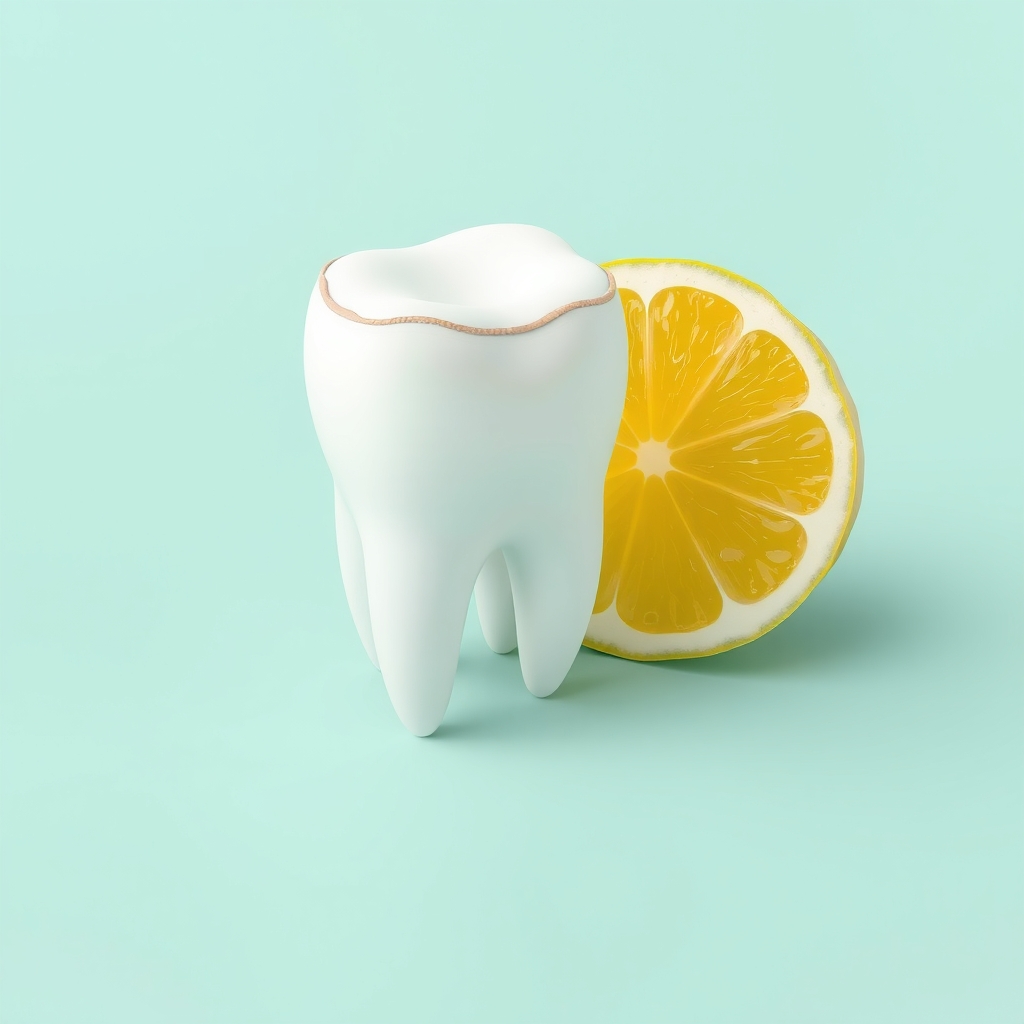
Frequent consumption of citrus fruits, vinegar-based foods, fruit juices, sodas, energy drinks, and sports drinks exposes teeth to acids that lower the mouth's pH. The more often you sip or snack on these through the day, the longer your teeth stay in an acidic environment.
Acid Reflux (GERD)
When stomach acid rises into the mouth due to acid reflux or GERD, it is far stronger than acid from food or drink. People with frequent reflux, especially if it happens at night, often show erosion on the inner surfaces of their upper front teeth first.
Vomiting and Eating Disorders
Repeated vomiting, whether from illness, pregnancy-related morning sickness, or conditions like bulimia, exposes teeth to strong stomach acid regularly. This is one of the more aggressive causes of enamel loss and often needs a combined medical and dental approach.
Dry Mouth
Saliva naturally neutralises acids and helps remineralise enamel. Reduced saliva flow from certain medications, mouth breathing, or some medical conditions removes this natural defence, making enamel more vulnerable.
Signs of Enamel Erosion
- Teeth look yellowish or translucent, especially near the edges
- Increased sensitivity to hot, cold, or sweet foods
- Smooth, rounded, or rough edges on front teeth
- Small cracks or chips appearing more easily
- Visible dents or cupping on chewing surfaces of back teeth
Practical Steps to Prevent Erosion
Adjust How You Eat and Drink Acidic Items
- Drink acidic beverages with a meal rather than sipping them alone over time
- Use a straw for juices and sodas to limit contact with front teeth
- Rinse your mouth with plain water after acidic food or drink
- Avoid swishing acidic drinks around your mouth before swallowing
Wait Before Brushing
After vomiting, reflux episodes, or acidic drinks, wait at least 30 minutes before brushing. Acid temporarily softens enamel, and brushing too soon can wear it away faster. Rinsing with water or a pinch of baking soda in water helps neutralise acid in the meantime.
Manage Acid Reflux
If you have frequent heartburn or reflux, speak with your physician about management, since controlling the underlying condition protects both your digestive system and your teeth.
Support Saliva and Enamel Strength
- Chew sugar-free gum to stimulate saliva flow, especially after meals
- Use a fluoride toothpaste to help strengthen remaining enamel
- Stay well hydrated through the day
- Ask your dentist about fluoride varnish if erosion is active
Treatment Options for Existing Erosion
Treatment depends on how much enamel has been lost and whether sensitivity or appearance is the main concern.
| Severity | Possible Approach | Typical Range (Sector 38, Gurugram) |
|---|---|---|
| Mild, early signs | Fluoride treatment, diet and habit changes | Rs 800 to Rs 2,000 per sitting |
| Moderate wear with sensitivity | Desensitising agents, bonding on affected edges | Rs 1,500 to Rs 4,000 per tooth |
| Significant loss affecting bite or appearance | Composite or ceramic restorations, crowns | Rs 4,000 to Rs 15,000 per tooth |
These are typical ranges only, and your actual cost depends on the extent of erosion and the materials used. A proper assessment is needed before any treatment plan is suggested.
When to See a Dentist
If you notice your teeth becoming more transparent, sensitive, or rough, it is worth getting a dental check sooner rather than later. Early erosion can sometimes be managed with simple changes, while advanced wear may need restorative care to protect the tooth and restore comfort. Patients in Sector 38, Gurugram can visit Rohini Dental Care for an evaluation and a plan suited to the cause of their enamel wear.
Have questions about your teeth?
Rohini Dental Care · 209 P, Medicity, Islampur Colony, Sector 38, Gurugram
Frequently asked questions
Can eroded enamel grow back?
No, enamel does not regenerate once it is lost because it has no living cells. However, early softening from acid exposure can sometimes be re-hardened with fluoride before permanent loss occurs. This is why catching erosion early matters.
How do I know if I have enamel erosion or just staining?
Erosion often causes teeth to look thin, translucent at the edges, or yellowish because the darker dentin underneath shows through. Teeth may also feel rough or sensitive to cold and sweet foods. A dental check at our Sector 38 clinic can confirm the cause.
Is sparkling water bad for enamel?
Plain sparkling water is mildly acidic but generally safer than flavoured or sugared sodas. Drinking it with meals rather than sipping it all day reduces the risk to enamel.
Should I brush immediately after vomiting or acid reflux?
No, wait at least 30 minutes. Brushing right away can spread the softened acid and scrub away weakened enamel. Rinse with plain water or a little baking soda water first.
Treatment costs mentioned on this page are indicative ranges for the Sector 38, Gurugram region. Your exact cost depends on your case and will be confirmed after a clinical examination at the clinic.