Electric vs Manual Toothbrush: A Simple Comparison Guide
If you have stood in the oral care aisle wondering whether to pick up an electric toothbrush or stick with a manual one, you are not alone. Many patients at our clinic in Sector 38, Gurugram ask us this exact question. The truth is that both types can keep your teeth clean when used correctly. This guide breaks down the differences so you can choose what fits your needs, budget, and dental health.
How Electric and Manual Toothbrushes Compare
Both toothbrush types remove plaque and food debris, but they do it differently. Manual toothbrushes rely entirely on your hand movement and technique. Electric toothbrushes use built-in vibrations or rotations to do much of the cleaning work for you.
| Factor | Manual Toothbrush | Electric Toothbrush |
|---|---|---|
| Plaque removal | Effective with good technique | Often slightly more effective, especially oscillating heads |
| Ease of use | Requires correct brushing motion | Easier for people with limited hand mobility |
| Cost (typical range) | Rs 20 to Rs 150 per brush | Rs 800 to Rs 8,000 depending on features |
| Ongoing cost | Low, replace every 3 months | Moderate, brush heads need replacing every 3 months |
| Best suited for | General use, budget-conscious patients | Braces, gum disease, arthritis, children, tech lovers |
Effectiveness: What the Research Suggests
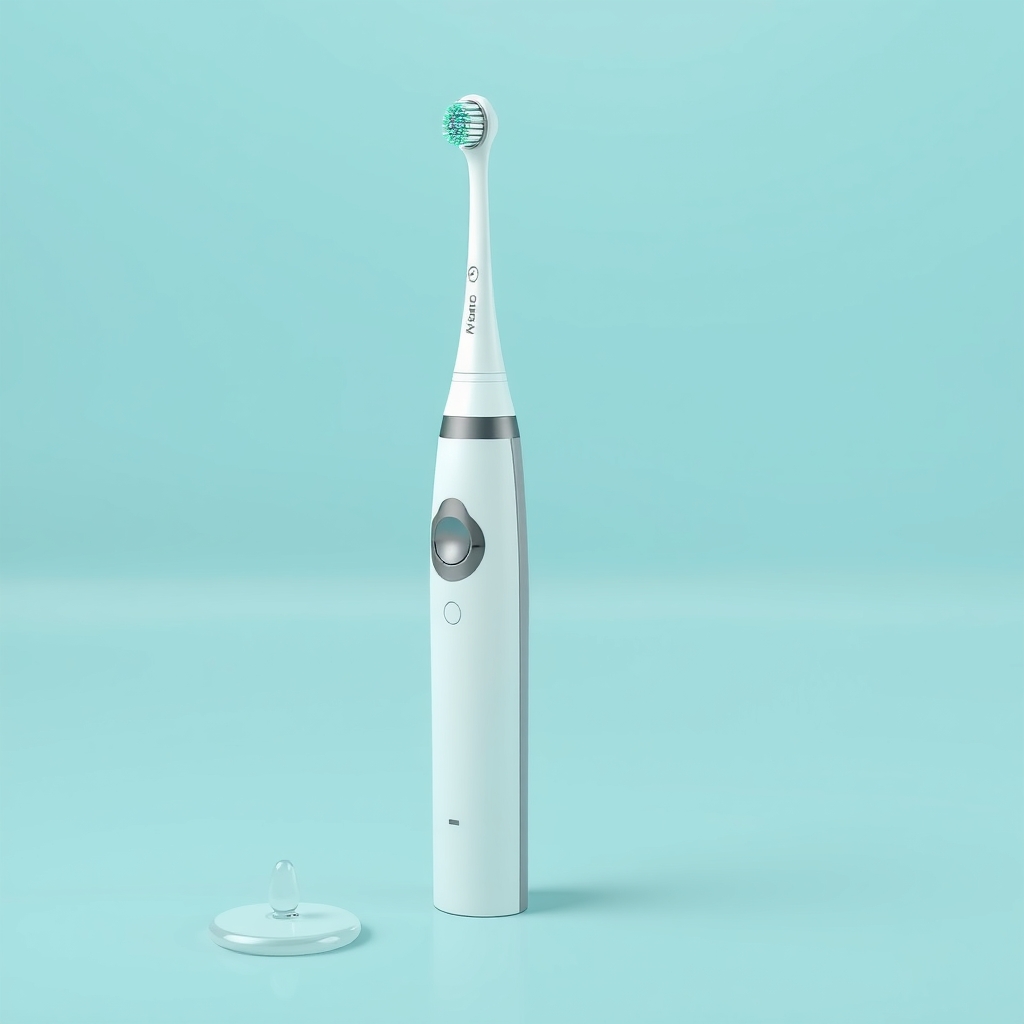
Several long-term studies indicate that electric toothbrushes with rotating-oscillating heads can reduce plaque and gum inflammation slightly better than manual brushing over time. This does not mean manual brushing is ineffective. It simply means an electric brush can make it easier to maintain consistent pressure, timing, and coverage, especially for people who tend to rush through brushing.
When a Manual Toothbrush Works Just as Well
- You already have a proper brushing technique with gentle, circular motions
- You brush for a full two minutes, twice daily
- You are looking for a simple, low-cost option
- You travel frequently and want something easy to carry
When an Electric Toothbrush May Help More
- You have limited dexterity due to arthritis or other conditions
- You wear braces or other orthodontic appliances
- You have a history of gum disease or gum sensitivity
- You struggle to brush for the full recommended time
- You want built-in timers or pressure sensors to guide you
Cost Considerations for Sector 38, Gurugram Patients
Manual toothbrushes remain the most budget-friendly option, with a typical range of Rs 20 to Rs 150 depending on the brand and bristle quality. Electric toothbrushes have a wider typical range, from around Rs 800 for basic models to Rs 8,000 or more for advanced versions with multiple cleaning modes and app connectivity. Keep in mind that both types need regular replacement of the brush head, usually every three months, which adds to the ongoing cost.
If cost is a major factor, a manual toothbrush used correctly is a completely reasonable and effective choice. If you have specific dental needs like braces, gum sensitivity, or difficulty holding a brush steady, the added cost of an electric toothbrush may be worth considering.
Dental Needs That Influence Your Choice
Your choice should also depend on any existing dental conditions. Patients with gum disease, deep pockets around teeth, or recent dental work often benefit from the consistent, gentle action of an electric brush. Children learning to brush may find electric brushes with timers more engaging, which can improve compliance.
On the other hand, if you have no specific gum or dental concerns and maintain good technique, a manual toothbrush paired with proper flossing and regular checkups can keep your mouth healthy without any extra investment.
Tips for Choosing the Right Brush
- Choose soft bristles regardless of brush type, since hard bristles can wear down enamel and irritate gums
- Replace your brush or brush head every three months
- Focus on technique over brand, since even the best brush cannot compensate for rushed or improper brushing
- Ask your dentist during your next visit which option suits your specific oral health needs
Whichever toothbrush you choose, the most important factors remain consistency, proper technique, and regular dental checkups. Our team at Rohini Dental Care, Sector 38, Gurugram, is happy to guide you based on your individual oral health during your next visit.
Have questions about your teeth?
Rohini Dental Care · 209 P, Medicity, Islampur Colony, Sector 38, Gurugram
Frequently asked questions
Is an electric toothbrush really better than a manual one?
Studies show electric toothbrushes, especially those with rotating or oscillating heads, can remove plaque slightly more effectively than manual brushing. But a manual toothbrush used correctly for two minutes, twice a day, can still keep your teeth and gums healthy.
Can children use electric toothbrushes?
Yes, many electric brushes come in kid-friendly designs with timers and softer bristles. They can make brushing more fun and help build good habits, though adult supervision is still needed for younger children.
How often should I replace my toothbrush or brush head?
Replace a manual toothbrush or electric brush head every three months, or sooner if the bristles look frayed. Worn bristles clean less effectively and can be rougher on your gums.
Will an electric toothbrush help with bleeding gums?
It can help if bleeding is caused by plaque buildup and improper brushing technique, since electric brushes often clean more consistently. However, persistent bleeding gums should be checked by a dentist to rule out gum disease.
Treatment costs mentioned on this page are indicative ranges for the Sector 38, Gurugram region. Your exact cost depends on your case and will be confirmed after a clinical examination at the clinic.