Full Mouth Rehabilitation: A Complete Guide for Patients in Sector 38, Gurugram
When several teeth are damaged, missing, or badly worn down, treating them one at a time often does not solve the real problem. Full mouth rehabilitation takes a different approach. It looks at your whole mouth, bite, gums, and jaw as one system, and builds a coordinated treatment plan to restore function and appearance together. At Rohini Dental Care in Sector 38, Gurugram, we see many patients who need this kind of comprehensive care after years of untreated decay, old injuries, or long-term tooth wear.
What Counts as Full Mouth Rehabilitation
This is not a single procedure but a combination of treatments chosen based on what each tooth and area needs. It is usually recommended when a patient has a mix of problems rather than one isolated issue.
- Multiple missing teeth affecting chewing or speech
- Severely worn, cracked, or broken teeth from grinding or trauma
- Advanced decay across several teeth
- A bite that has shifted due to tooth loss over time
- Gum disease that has loosened or damaged supporting teeth
If you are dealing with two or more of these at once, a coordinated plan usually gives better long-term results than treating each tooth separately.
How Dentists Combine Different Treatments
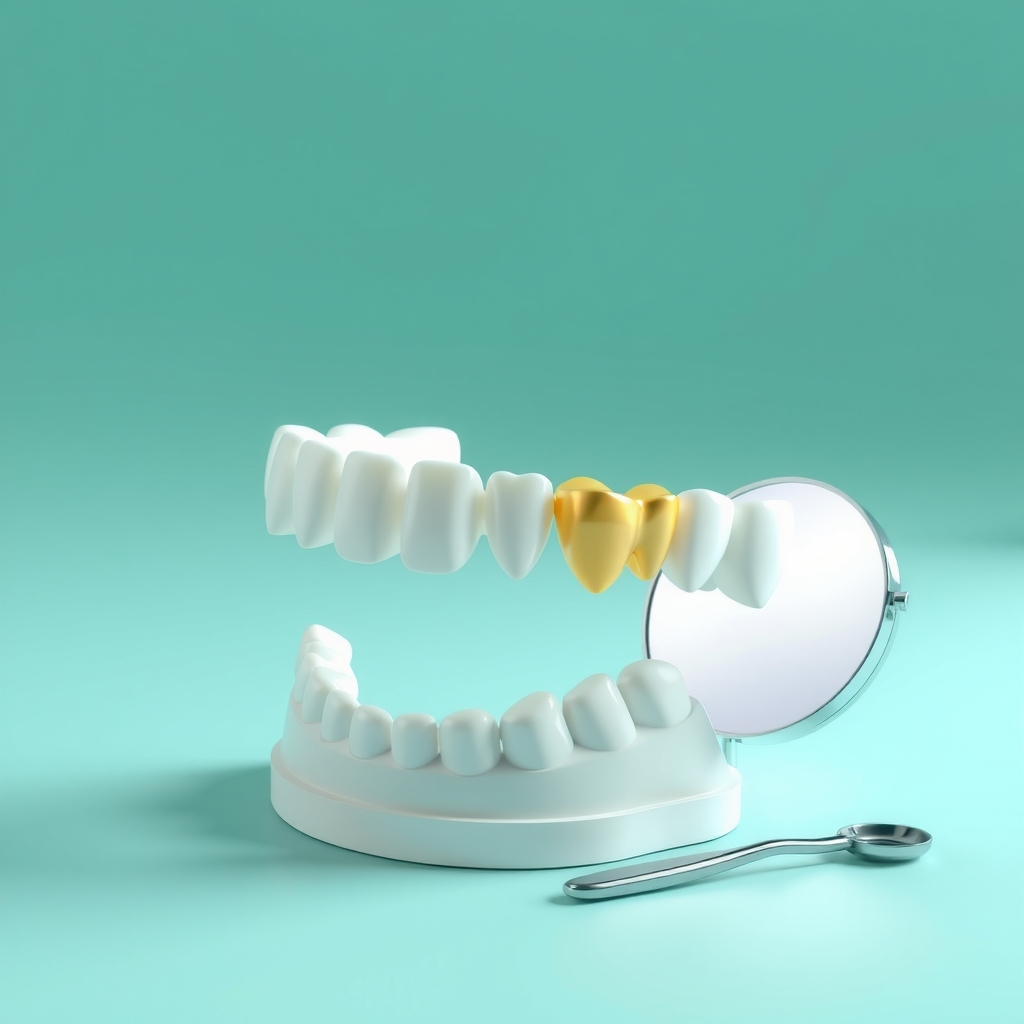
The strength of full mouth rehabilitation lies in sequencing. Your dentist first stabilises any active disease, then rebuilds structure, and finally fine-tunes the bite. A typical plan may include several of the following, depending on your specific case.
Foundation Treatments
- Treating gum disease and deep cleaning to create a healthy base
- Root canal treatment for teeth with infected or damaged nerves
- Extraction of teeth that cannot be saved
Restorative Treatments
- Dental crowns to rebuild broken or heavily worn teeth
- Dental implants to replace missing teeth and support the bite
- Bridges or partial dentures where implants are not suitable
- Fillings or inlays for smaller areas of decay
Bite and Alignment Adjustments
Once teeth are restored, your dentist checks how your upper and lower teeth meet. Small adjustments to crown height or shape help distribute biting force evenly, which reduces the chance of future wear or fractures.
What the Treatment Journey Looks Like
- Assessment: Detailed examination, X-rays, and sometimes photographs or bite records to understand the full picture.
- Planning: Your dentist maps out the sequence of treatments, usually starting with any urgent or infected teeth.
- Foundation phase: Gum treatment, root canals, and extractions are completed first.
- Rebuilding phase: Implants are placed if needed, followed by healing time, then crowns and bridges are fitted.
- Final review: Your bite and appearance are checked, with minor adjustments made as needed.
Because implants need time to bond with the jawbone, the full process often spans several months. Your dentist will give you a realistic timeline once your specific treatment mix is finalised.
Cost Factors to Understand
Full mouth rehabilitation cost varies widely because every patient's combination of treatments is different. The main factors that affect pricing include the number of teeth involved, whether implants are needed, the materials chosen for crowns, and the complexity of any gum or bone treatment required beforehand.
| Component | Typical Range (INR) |
|---|---|
| Dental crown (per tooth) | typical range 5,000 to 18,000 |
| Single dental implant (including crown) | typical range 30,000 to 55,000 |
| Root canal treatment (per tooth) | typical range 4,000 to 10,000 |
| Deep cleaning and gum therapy | typical range 3,000 to 10,000 |
These figures are indicative for patients in Sector 38, Gurugram and are meant only as a starting reference. Your actual cost depends on the number of teeth treated, the materials selected, and your specific oral health needs. A detailed quote can only be given after a clinical examination.
Caring for Your New Smile
Once rehabilitation is complete, regular brushing, flossing, and routine dental visits matter more than ever. Implants and crowns last longest when gum health is maintained and grinding habits, if present, are managed with a night guard. Your dentist will suggest a maintenance schedule suited to the treatments you received.
If you are dealing with multiple dental problems and unsure where to start, a thorough consultation at our Sector 38, Gurugram clinic can help you understand your options and build a plan that fits your needs and budget.
Have questions about your teeth?
Rohini Dental Care · 209 P, Medicity, Islampur Colony, Sector 38, Gurugram
Frequently asked questions
How is full mouth rehabilitation different from a smile makeover?
A smile makeover is mostly about appearance, like veneers or whitening. Full mouth rehabilitation is a functional treatment plan that restores bite, chewing ability and oral health first, with aesthetics improving as a natural result.
How long does the entire process take?
It depends on how many teeth are involved and whether implants are part of the plan. Simple cases may finish in a few weeks, while implant-based rehabilitation can take four to eight months because of healing time.
Will I be without teeth during treatment?
No. Your dentist fits temporary crowns, bridges or dentures at each stage so you can eat, speak and smile comfortably while permanent restorations are being planned or made.
Is full mouth rehabilitation painful?
Most procedures are done under local anaesthesia and cause only mild, manageable discomfort afterward. Your dentist will discuss pain relief options and what to expect after each stage.
Treatment costs mentioned on this page are indicative ranges for the Sector 38, Gurugram region. Your exact cost depends on your case and will be confirmed after a clinical examination at the clinic.