Stages of Gum Disease: From Early Gingivitis to Advanced Periodontitis
Many patients in Sector 38, Gurugram first notice something is off with their gums when they see a little blood while brushing, or when a tooth suddenly feels loose. Gum disease rarely happens overnight. It develops in stages, and knowing which stage you are at helps you understand how urgent treatment is and what to expect. This article walks through the stages, warning signs, diagnosis, and treatment options available at Rohini Dental Care.
What Causes Gum Disease
Gum disease starts with plaque, a sticky film of bacteria that builds up on teeth and along the gumline. If plaque is not removed through regular brushing and flossing, it hardens into tartar (calculus), which cannot be removed at home. This irritates the gums and triggers inflammation, which is where the disease process begins.
Stage 1: Gingivitis
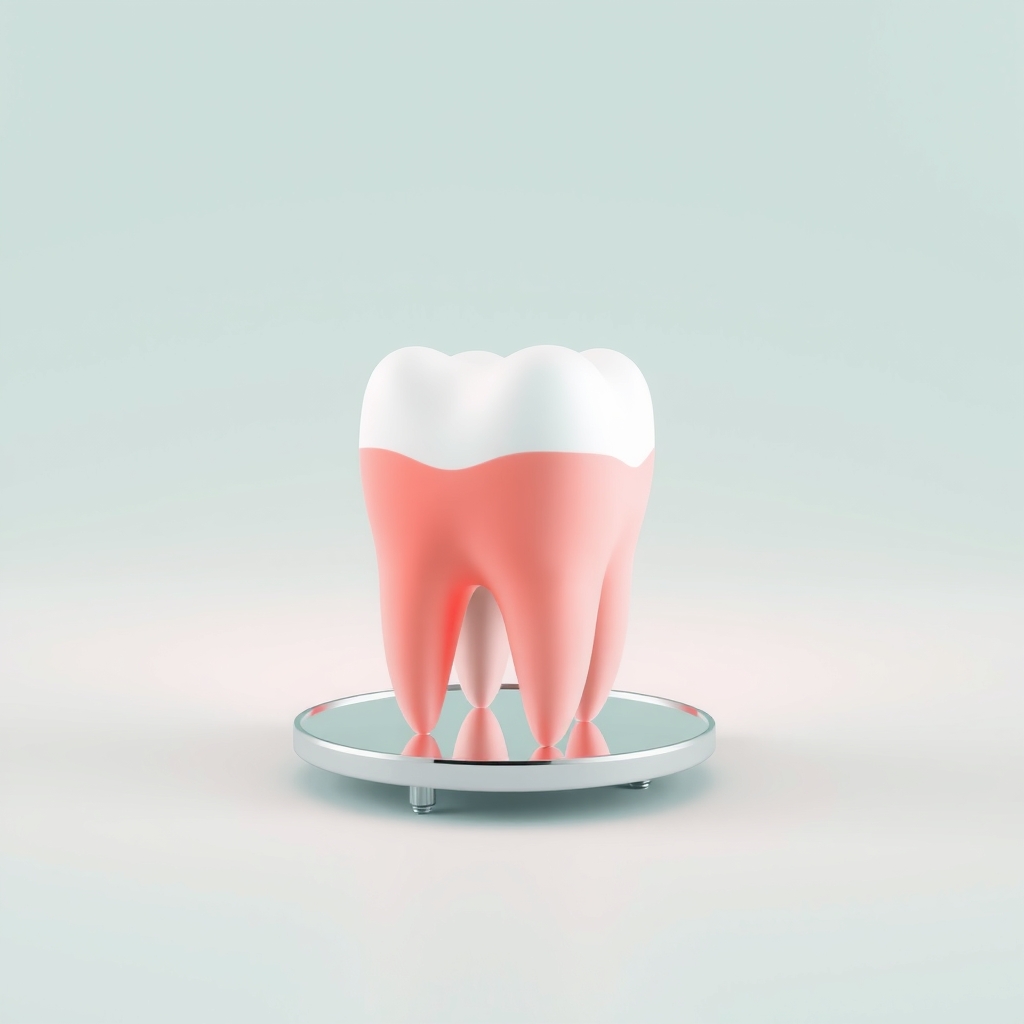
Gingivitis is the earliest and mildest stage of gum disease. At this point, the infection is limited to the gum tissue and has not affected the bone or ligaments supporting the teeth.
Warning Signs of Gingivitis
- Red or swollen gums
- Bleeding during brushing or flossing
- Mild bad breath
- Gums that feel tender but teeth are still firm
The good news: gingivitis is fully reversible. With a professional cleaning and consistent home care, gums can return to health within a few weeks.
Stage 2: Early Periodontitis
When gingivitis is left untreated, bacteria begin to spread below the gumline and start affecting the bone that supports the teeth. This marks the shift from gingivitis to periodontitis.
Warning Signs
- Gums that appear to be pulling away from teeth (early recession)
- Small pockets forming between teeth and gums
- Persistent bad breath despite brushing
- Slight tooth sensitivity
At this stage, damage to the bone is present but limited. Treatment can stop further progression and help stabilize the gums.
Stage 3: Moderate Periodontitis
As the disease advances, more bone and gum tissue is lost. Pockets between teeth and gums deepen, giving bacteria more room to grow.
Warning Signs
- Noticeable gum recession
- Gaps appearing between teeth that were not there before
- Gums that bleed easily and may feel sore
- Teeth may start to feel slightly loose
Stage 4: Advanced Periodontitis
This is the most severe stage, where significant bone loss has occurred and teeth may no longer have adequate support.
Warning Signs
- Visibly loose or shifting teeth
- Deep gum pockets
- Pus around the gumline
- Pain while chewing
- Teeth that may fall out or need extraction
At this stage, the goal of treatment shifts from reversal to control and preservation of the remaining teeth for as long as possible.
How Gum Disease Is Diagnosed
At Rohini Dental Care, diagnosis usually involves a combination of visual examination, gum pocket measurement using a small probe, and dental X-rays to check bone levels around the teeth. This helps determine exactly which stage a patient is at and guides the treatment plan.
Treatment Options Available
| Stage | Common Treatment |
|---|---|
| Gingivitis | Professional cleaning, improved oral hygiene routine |
| Early periodontitis | Scaling and root planing (deep cleaning) |
| Moderate periodontitis | Deep cleaning, possible antibiotic gel or rinse, closer monitoring |
| Advanced periodontitis | Deep cleaning, gum surgery if needed, in some cases extraction of severely affected teeth |
The typical range for a professional cleaning or deep cleaning session in Sector 38, Gurugram can vary depending on the number of teeth involved and severity of the case. Your dentist will discuss the exact plan and costs after examining your gums, and no treatment is started without your understanding and consent.
Why Early Action Matters
The earlier gum disease is caught, the simpler and more effective the treatment tends to be. Gingivitis can often be resolved in one or two visits, while advanced periodontitis requires ongoing management. If you have noticed swelling, bleeding, recession, or looseness, it is worth getting a proper gum evaluation rather than waiting for symptoms to worsen.
Have questions about your teeth?
Rohini Dental Care · 209 P, Medicity, Islampur Colony, Sector 38, Gurugram
Frequently asked questions
Can gingivitis be reversed completely?
Yes. Gingivitis is reversible with professional cleaning and good daily brushing and flossing. Once it progresses to periodontitis, treatment can control the disease but any bone loss that has already happened cannot be fully undone.
Is bleeding gums always a sign of gum disease?
Bleeding while brushing or flossing is one of the earliest and most common signs of gingivitis. It should not be ignored even if it seems minor, since untreated gingivitis can slowly progress to periodontitis.
How often should I get a gum check-up in Sector 38?
For most adults, a dental check-up and cleaning every six months is enough to catch gum problems early. If you already have gum recession or looseness, your dentist may suggest more frequent visits.
Does treating gum disease hurt?
Most gum treatments like scaling and root planing are done with local anesthesia if needed and cause only mild discomfort afterward. Your dentist at Rohini Dental Care will explain what to expect based on your specific stage of gum disease.
Treatment costs mentioned on this page are indicative ranges for the Sector 38, Gurugram region. Your exact cost depends on your case and will be confirmed after a clinical examination at the clinic.