A Guide to Different Types of Mouthwash and How to Choose the Right One
Walk into any pharmacy in Sector 38, Gurugram and you will find a whole shelf of mouthwashes, each promising fresher breath, stronger teeth, or healthier gums. It is easy to feel confused about which one is actually right for you. This guide breaks down the main types of mouthwash so you can make an informed choice based on your own oral health needs, not just the label.
Why Mouthwash Is Not a One Size Fits All Product
Mouthwashes are formulated for different purposes. Some fight bacteria, some strengthen enamel, some simply mask odour, and others rely on natural ingredients for a gentler approach. Using the wrong type will not harm you in most cases, but it may not solve the problem you actually have. Understanding the categories helps you pick a product that supports your specific concern, whether that is gum disease, cavities, bad breath, or sensitivity.
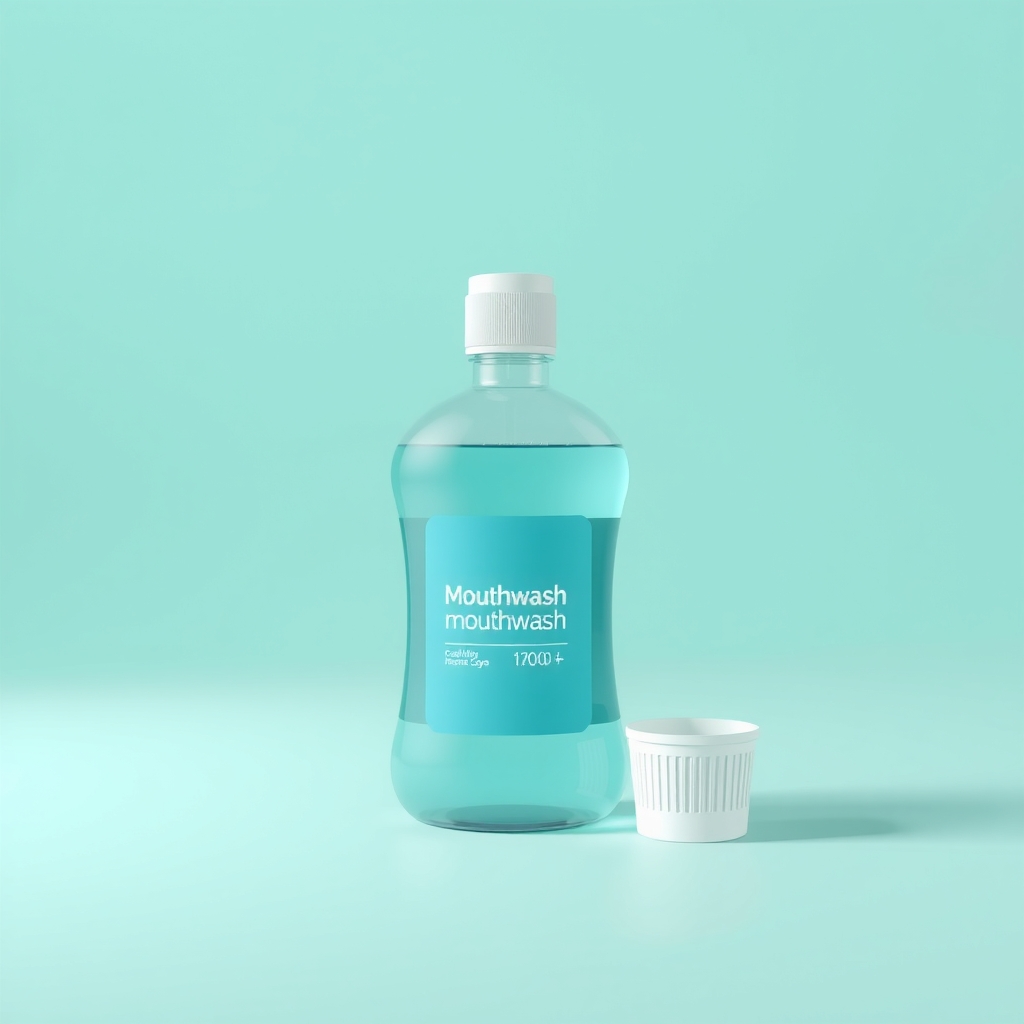
Antiseptic Mouthwash
Antiseptic mouthwashes contain active ingredients like chlorhexidine, cetylpyridinium chloride, or essential oils that reduce harmful bacteria in the mouth. They are commonly recommended for:
- Gum disease or gingivitis
- Reducing plaque buildup
- Managing bad breath caused by bacteria
- Short term use after certain dental procedures
Chlorhexidine based mouthwash is strong and effective but is usually prescribed for a limited period, often one to two weeks, because long term use can stain teeth and affect taste. If your dentist recommends it after a procedure, follow the exact duration advised.
Fluoride Mouthwash
Fluoride mouthwash is designed to strengthen tooth enamel and reduce the risk of cavities. It works well for people who:
- Have a history of frequent cavities
- Have areas of early enamel demineralisation
- Wear braces and need extra protection against decay
- Have a dry mouth condition that increases cavity risk
This type is often suggested as part of a daily routine alongside fluoride toothpaste, especially for children and teenagers who are more prone to cavities.
Cosmetic Mouthwash
Cosmetic mouthwashes are the ones most people reach for out of habit. They freshen breath and leave a clean feeling but do not treat any underlying dental condition. They can temporarily mask odour caused by food, but they will not fix the root cause of bad breath if it stems from gum disease, decay, or a digestive issue. These are fine for general daily freshness but should not replace a mouthwash targeted at an actual oral health concern.
Natural Mouthwash
Natural or herbal mouthwashes usually contain ingredients like tea tree oil, clove, neem, or aloe vera. Many people prefer these because they avoid alcohol and harsh chemicals. They can offer mild antibacterial benefits and are gentler on sensitive mouths, but the scientific evidence supporting their effectiveness is generally weaker compared to fluoride or antiseptic options. They can be a good choice for people with mild sensitivity to alcohol based rinses or those looking for a gentler daily rinse alongside good brushing habits.
How to Choose the Right Mouthwash
Consider your main concern before picking a bottle off the shelf.
| Your Concern | Suggested Type |
|---|---|
| Gum bleeding or swelling | Antiseptic mouthwash (short term) |
| Frequent cavities | Fluoride mouthwash |
| General bad breath | Cosmetic mouthwash, alongside checking for underlying causes |
| Sensitivity to alcohol based rinses | Natural or alcohol free mouthwash |
| Braces or orthodontic treatment | Fluoride mouthwash |
A Few Practical Tips
- Read the label to check whether it is alcohol based, as this can cause dryness or irritation for some people.
- Do not rinse with water immediately after fluoride mouthwash, as this reduces its benefit.
- If you are pregnant, diabetic, or on medication, check with your dentist before starting a new mouthwash.
- Mouthwash should support brushing and flossing, not replace them.
When to Ask a Dentist Before Choosing
If you have ongoing bad breath, bleeding gums, mouth ulcers, or sensitivity that does not improve, it is best to get a proper check up rather than self treating with mouthwash. At Rohini Dental Care in Sector 38, Gurugram, we can identify the actual cause of your concern and recommend a mouthwash type, or other treatment, that genuinely addresses it rather than just masking symptoms temporarily.
Choosing the right mouthwash does not need to be complicated once you understand what each type is meant to do. Match the product to your specific need, use it correctly, and pair it with regular brushing, flossing, and dental checkups for the best results.
Have questions about your teeth?
Rohini Dental Care · 209 P, Medicity, Islampur Colony, Sector 38, Gurugram
Frequently asked questions
Can I use mouthwash instead of brushing?
No. Mouthwash is a helpful addition to your routine but it cannot remove plaque the way brushing and flossing do. Always brush twice a day and floss daily, then use mouthwash if needed.
Is it safe to use mouthwash every day?
Most fluoride and cosmetic mouthwashes are safe for daily use. Antiseptic mouthwash with chlorhexidine is usually meant for short courses of one to two weeks unless your dentist advises otherwise.
Can children use mouthwash?
Children under six should generally avoid mouthwash because they may swallow it. For older children, a mild fluoride mouthwash is usually fine, but check with your dentist first.
Will mouthwash whiten my teeth?
Cosmetic mouthwashes only mask bad breath and freshen your mouth temporarily. They do not change tooth colour. For actual whitening, ask us about safe in-clinic options.
Treatment costs mentioned on this page are indicative ranges for the Sector 38, Gurugram region. Your exact cost depends on your case and will be confirmed after a clinical examination at the clinic.