How Chewing Tobacco, Paan, and Gutka Damage Your Gums, Teeth, and Mouth
Chewing tobacco, paan with tobacco, and gutka are common habits across many households in Gurugram, often passed down or picked up socially. What feels like a small habit can quietly cause serious, sometimes irreversible, damage to the gums, teeth, and the soft tissues inside the mouth. This article explains what actually happens inside the mouth with regular use, the warning signs to watch for, and how dental monitoring can help catch problems early.
What These Habits Do to Your Mouth
Tobacco, paan, and gutka are not just staining agents. They contain chemicals and irritants that affect the mouth at a tissue level, every single time they are used.
Staining and Tooth Damage
- Brown or black staining on teeth that regular brushing cannot remove
- Increased plaque and tartar buildup around the gum line
- Higher risk of cavities, especially near the gums where tobacco or gutka is held
- Bad breath that does not improve with mouth fresheners
Gum and Bone Damage
Tobacco chewing restricts blood flow to the gums, which weakens their ability to fight infection. Over time this leads to gum recession, bone loss around the teeth, and loose teeth in advanced cases. Gum disease progresses faster and more silently in regular users, often without the usual pain signals.
Soft Tissue and Mucosal Changes
This is where the more serious risks lie. The inner cheeks, tongue, and floor of the mouth are directly exposed to chemicals in tobacco and areca nut (a key ingredient in gutka and some paan preparations). Common changes include:
- White patches (leukoplakia) that do not rub off
- Red patches (erythroplakia), which carry a higher risk of turning cancerous
- Persistent mouth ulcers or sores that do not heal within 2 weeks
- Reduced mouth opening over time, a sign of oral submucous fibrosis
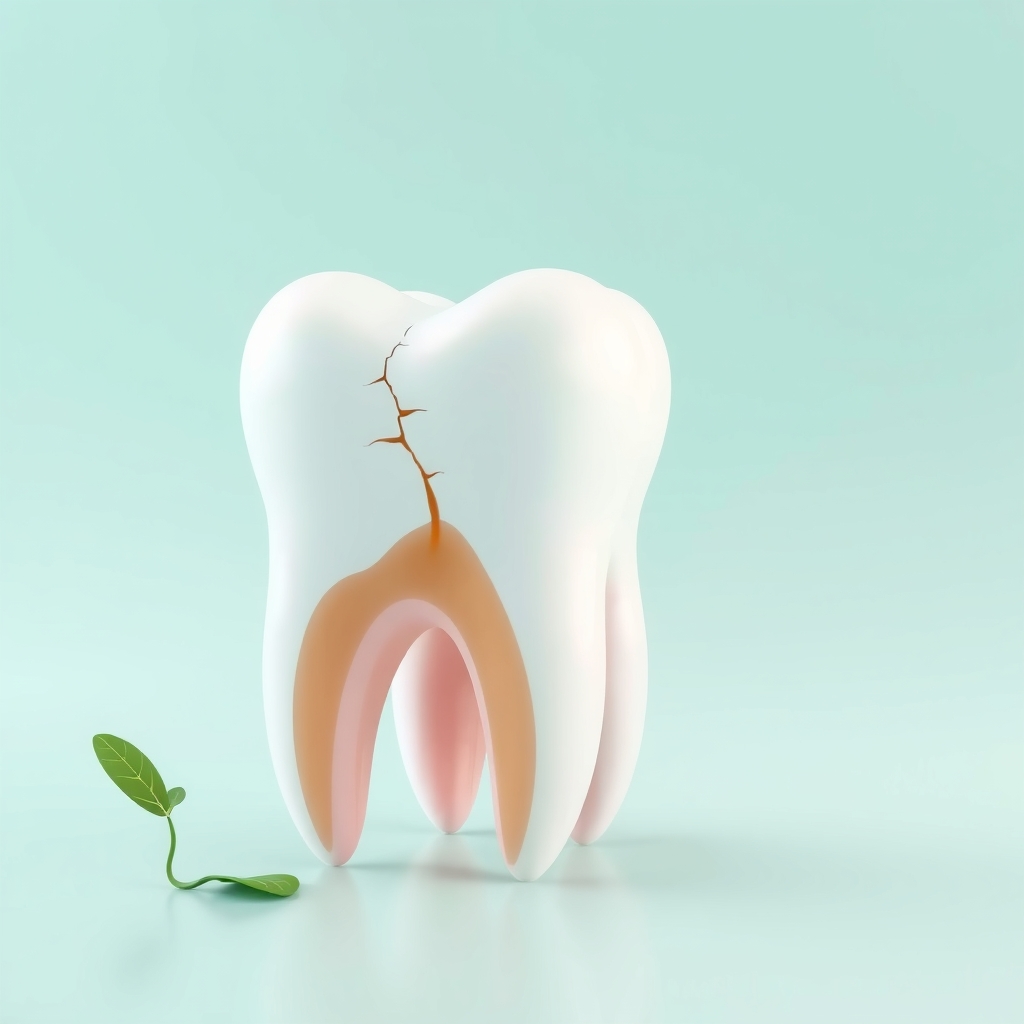
Oral Submucous Fibrosis: A Serious, Progressive Condition
Oral submucous fibrosis (OSMF) is a condition strongly linked to chewing areca nut, found in gutka, paan masala, and supari. The inner lining of the mouth gradually becomes stiff and fibrous, which causes:
- A burning sensation while eating spicy food
- Gradually reduced ability to open the mouth wide
- Difficulty eating, speaking, or even brushing properly in advanced stages
- A pale, blanched appearance of the inner cheek tissue
OSMF is considered a precancerous condition, meaning the affected tissue has a higher chance of developing oral cancer over time compared to normal tissue. It does not reverse completely once established, which is why early detection and quitting the habit as soon as possible are so important.
Why These Lesions Need Attention, Not Ignoring
Many users notice a white patch or ulcer and assume it will go away on its own, especially since these areas are often not painful in the early stages. Unfortunately, the absence of pain does not mean the absence of risk. Precancerous changes and early oral cancers are frequently painless in their initial phase, which is exactly why regular dental screening matters for anyone with a tobacco, paan, or gutka habit.
Guidance on Quitting
- Set a quit date and tell family members so they can support you
- Identify triggers, such as stress, social gatherings, or after-meal habit, and plan alternatives
- Consider nicotine replacement options or medical help if the habit includes tobacco dependence
- Replace the habit with sugar-free gum, fennel seeds, or a simple glass of water when cravings hit
- Join a de-addiction counselling service if the habit has been long-term and difficult to stop alone
Quitting is often harder than expected, and it is completely normal to need more than one attempt. What matters is reducing exposure as much and as soon as possible.
Dental Monitoring and What to Expect at a Check-up
At Rohini Dental Care in Sector 38, Gurugram, a check-up for tobacco or gutka users typically includes a visual and physical examination of the cheeks, tongue, floor of the mouth, and gums, along with a review of any white or red patches, ulcers, or changes in mouth opening. If anything suspicious is found, a biopsy or referral for further evaluation may be recommended.
| Service | Typical Range (INR) |
|---|---|
| Oral screening and consultation | Rs 300 to Rs 800 |
| Professional cleaning for stain removal | Rs 1,500 to Rs 3,500 |
| Biopsy of a suspicious lesion | Rs 2,500 to Rs 6,000 |
These are typical ranges and actual costs depend on the extent of the issue and tests required, so please treat them as a general guide rather than a fixed quote.
A Simple Next Step
If you or a family member chews tobacco, paan, or gutka, a dental check-up every few months is one of the simplest ways to catch problems while they are still manageable. Noticing a patch, ulcer, or stiffness early can make a real difference.
Have questions about your teeth?
Rohini Dental Care · 209 P, Medicity, Islampur Colony, Sector 38, Gurugram
Frequently asked questions
Is gutka worse than chewing tobacco alone?
Gutka contains tobacco plus areca nut and other additives, and areca nut is a major cause of oral submucous fibrosis. Combining it with tobacco adds cancer risk on top of fibrosis risk, so it is considered at least as harmful, often more.
Can oral submucous fibrosis be cured?
There is no complete cure once fibrosis sets in, but quitting the habit early and getting regular treatment can slow progression and improve mouth opening and comfort. Early detection matters a lot.
How often should a tobacco user get a dental check-up?
Most dentists recommend every 3 to 6 months for tobacco or gutka users, so any white patch, red patch, or change in tissue can be caught and monitored early.
Will quitting reverse the staining and gum damage already done?
Surface staining can often be improved with professional cleaning. Gum recession and fibrosis changes are harder to reverse fully, but quitting stops further damage and lowers ongoing cancer risk.
Treatment costs mentioned on this page are indicative ranges for the Sector 38, Gurugram region. Your exact cost depends on your case and will be confirmed after a clinical examination at the clinic.