Infant Teething: A Parent's Guide to Signs, Timeline, and Safe Relief
Watching your baby go through teething can be an anxious time for any parent. The fussiness, drooling, and disturbed sleep are hard to see, and it is natural to wonder what is normal and what needs a doctor's attention. This guide walks parents in Sector 38, Gurugram through the common signs of teething, a general eruption timeline, and safe ways to comfort your little one at home.
Common Signs of Teething
Every baby experiences teething a little differently, but there are some signs that tend to appear across most infants. These usually start a few days to a couple of weeks before a tooth actually emerges.
- Increased drooling
- Swollen or tender gums
- Chewing on fingers, toys, or anything within reach
- Mild irritability or fussiness
- Slightly disturbed sleep patterns
- Reduced appetite for solid foods
- Rubbing of cheeks or ears on the same side as the emerging tooth
It is worth noting that teething alone does not usually cause high fever, diarrhoea, or severe illness. If these symptoms appear alongside teething signs, it is best to consult your pediatrician to rule out other causes.
Typical Teething Eruption Timeline
While every child grows at their own pace, most babies follow a fairly predictable order when their first set of teeth, called primary or milk teeth, start appearing.
| Tooth | Typical Age of Eruption |
|---|---|
| Lower central incisors | 6 to 10 months |
| Upper central incisors | 8 to 12 months |
| Upper lateral incisors | 9 to 13 months |
| Lower lateral incisors | 10 to 16 months |
| First molars | 13 to 19 months |
| Canines | 16 to 23 months |
| Second molars | 23 to 33 months |
By around age three, most children have all 20 primary teeth. Some babies get their first tooth as early as three months, while others may not show one until well past their first birthday. Both can be perfectly normal, but if there is no sign of any tooth by 18 months, it is a good idea to have your baby checked.
Safe Home Remedies for Teething Discomfort
There are several gentle, low-risk ways to ease teething discomfort at home. It is best to avoid anything with added sugar, alcohol, or numbing medicine unless specifically advised by your pediatrician.
Gum Massage
Wash your hands well and gently rub your baby's gums with a clean finger. The light pressure can offer real relief and helps you check for the tooth pushing through.
Chilled (Not Frozen) Teething Rings
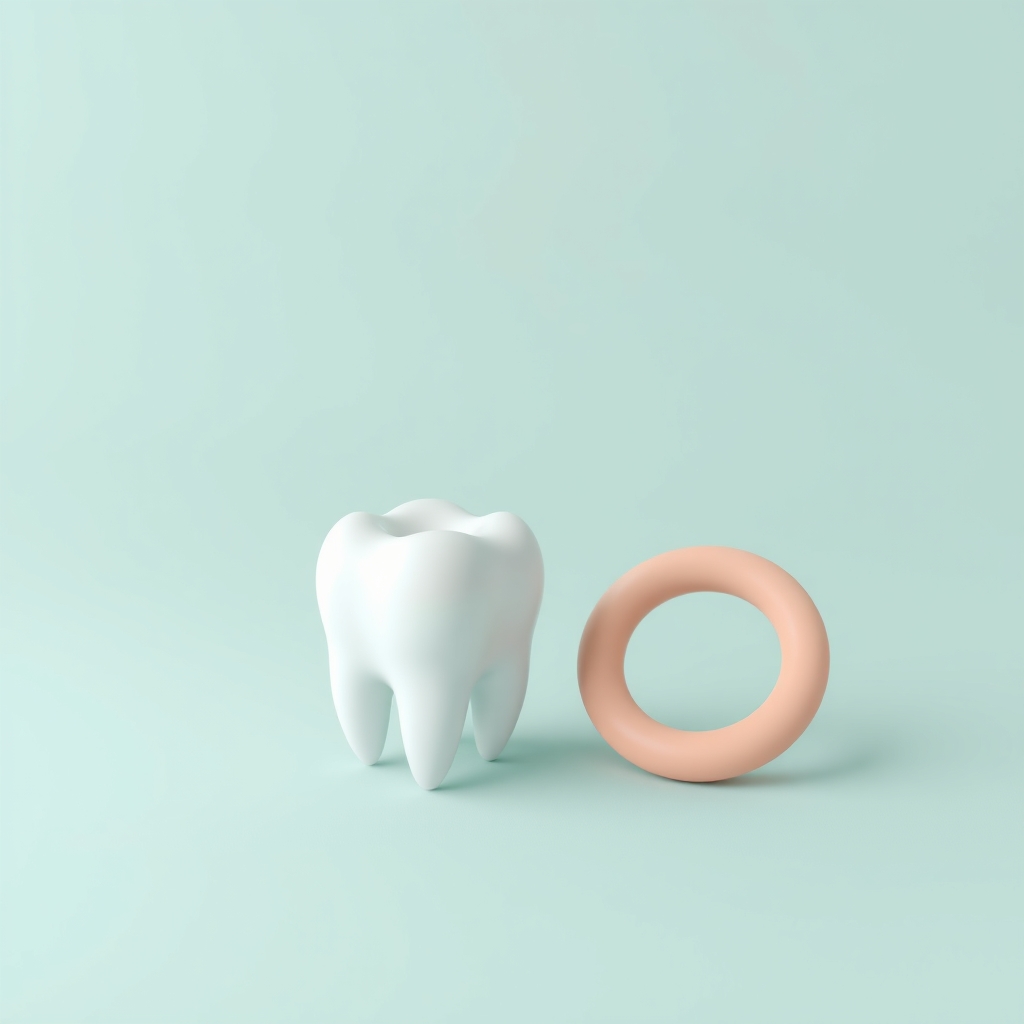
Cool teething rings or a clean, damp washcloth chilled in the refrigerator can numb the area slightly and reduce swelling. Avoid freezing them solid, as very hard, icy surfaces can hurt tender gums.
Cold Foods for Older Infants
If your baby has already started solids, chilled purees like mashed banana or yogurt can be soothing. Always supervise feeding closely.
Extra Comfort and Distraction
Extra cuddling, a favourite toy, or a change of scenery can help distract from the discomfort during a particularly fussy phase.
When to Consult a Dentist
Most teething discomfort settles on its own within a few days of the tooth breaking through. However, you should reach out for a dental check if you notice unusual delays in tooth eruption, discoloured or spotted teeth as they come in, or persistent swelling that does not improve. A first dental visit around the first birthday is a good opportunity to have your baby's oral development reviewed by a professional and to ask any questions specific to your child.
Parents in Sector 38, Gurugram are welcome to bring their little ones in for a gentle, reassuring check whenever there are concerns about teething or early oral development.
Have questions about your teeth?
Rohini Dental Care · 209 P, Medicity, Islampur Colony, Sector 38, Gurugram
Frequently asked questions
Can teething cause high fever in babies?
Teething may cause a mild rise in temperature, but a high fever above 100.4°F is usually not from teething alone. If your baby has a high fever, check with your pediatrician to rule out infection.
Is it safe to use teething gels with numbing medicine?
Most pediatric guidelines advise against benzocaine-based gels for infants due to safety concerns. Chilled teething rings and gentle gum massage are safer first choices.
At what age should my baby see a dentist for the first time?
It is recommended to schedule a first dental visit around the time the first tooth appears, or by the first birthday, whichever comes first.
Why is my baby drooling so much before teeth appear?
Increased drooling is one of the earliest and most common teething signs, often starting weeks before a tooth actually breaks through the gum.
Treatment costs mentioned on this page are indicative ranges for the Sector 38, Gurugram region. Your exact cost depends on your case and will be confirmed after a clinical examination at the clinic.