TMJ (Jaw Joint) Disorders: Causes, Symptoms, and Treatment Options
If you have ever felt a clicking sound while chewing, a dull ache near your ear, or difficulty opening your mouth wide, you may be dealing with a TMJ disorder. TMJ stands for temporomandibular joint, the hinge that connects your jawbone to your skull. At Rohini Dental Care in Sector 38, Gurugram, we see many patients who are unsure whether their jaw discomfort needs professional attention or will simply pass on its own. This guide explains what causes TMJ disorders, the symptoms to watch for, and the treatment options available.
What Causes TMJ Disorders
The temporomandibular joint works every time you talk, chew, or yawn. Because it is used so often, it is prone to strain and wear. Common causes include:
- Teeth grinding or clenching (bruxism): Often happens during sleep and puts repeated stress on the joint.
- Jaw injury: A blow to the face or jaw can damage the joint or surrounding tissue.
- Arthritis: Osteoarthritis or rheumatoid arthritis can affect the joint's cartilage.
- Misaligned bite: When upper and lower teeth do not meet evenly, the joint may work harder to compensate.
- Stress: Chronic stress can lead to unconscious jaw clenching, especially during the day.
- Poor posture: Prolonged forward head posture, common with long hours at a desk or on the phone, can strain jaw and neck muscles.
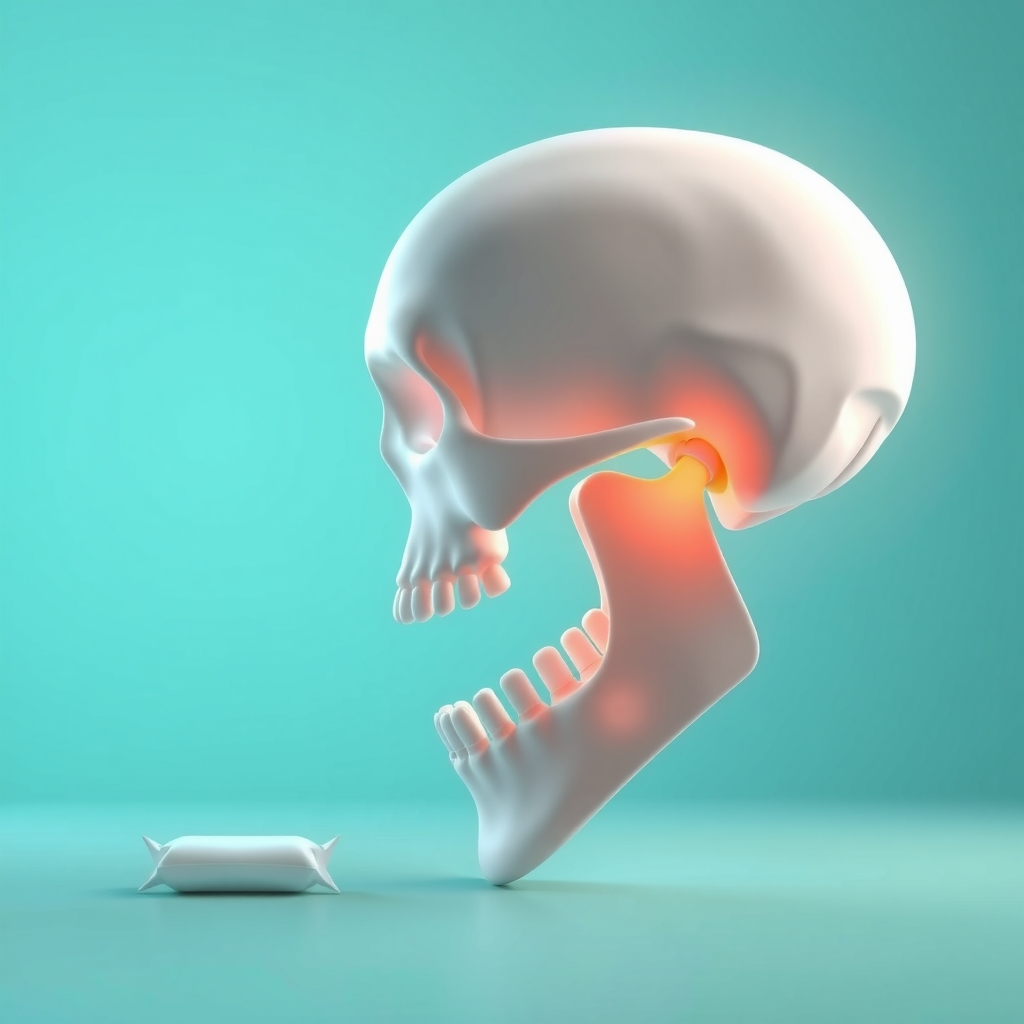
Common Symptoms of TMJ Disorders
TMJ disorders can show up differently from person to person, but the most frequently reported symptoms are:
- Pain or tenderness in the jaw, face, or in front of the ear
- Clicking, popping, or grating sounds when opening or closing the mouth
- Difficulty or discomfort while chewing
- Jaw locking, making it hard to open or close the mouth fully
- Headaches or earaches without a clear ear infection
- A feeling that the upper and lower teeth do not fit together comfortably
Symptoms may be mild and occasional, or they can become frequent enough to interfere with eating and speaking.
How TMJ Disorders Are Diagnosed
A dentist will typically start with a physical examination, checking your jaw's range of motion, listening for joint sounds, and feeling for tenderness in the jaw muscles. They may also review your bite alignment and ask about habits like teeth grinding or nail biting. In some cases, an X-ray or scan may be recommended to get a clearer picture of the joint and rule out other causes of pain.
Treatment Options for TMJ Disorders
Most TMJ disorders respond well to conservative, non-surgical treatment. Options generally include:
Home Care and Lifestyle Changes
- Eating softer foods for a few days to rest the joint
- Applying warm or cold compresses to ease muscle tension
- Avoiding wide yawning or excessive gum chewing
- Practising stress-reduction techniques to reduce clenching
Dental Solutions
- Night guards or splints: Custom-made devices that reduce pressure from grinding and clenching during sleep.
- Bite correction: Adjusting an uneven bite that may be contributing to joint strain.
- Physiotherapy exercises: Gentle jaw stretches and exercises to improve mobility and reduce stiffness.
Medical Support
In some cases, a dentist may recommend pain relief medication or muscle relaxants for short-term relief, alongside dental treatment. Severe or long-standing cases that do not respond to conservative care may need further evaluation, though this is uncommon.
| Treatment | Typical Range (INR) |
|---|---|
| TMJ consultation and examination | Typical range: Rs 500 to Rs 1,500 |
| Custom night guard or splint | Typical range: Rs 3,000 to Rs 8,000 |
| Bite adjustment | Typical range: Rs 1,500 to Rs 5,000 |
These are general estimates only. Actual costs depend on the severity of your condition and the specific treatment plan advised after examination.
When to See a Dentist in Gurugram
Occasional, mild jaw clicking without pain is usually not a cause for concern. However, you should book an appointment if you notice:
- Jaw pain that lasts more than a week or keeps returning
- Difficulty opening your mouth fully or jaw locking
- Pain that spreads to your ear, neck, or head
- Noticeable clicking accompanied by discomfort while eating
Early attention can prevent minor jaw strain from becoming a long-term problem. If you are in Sector 38, Gurugram, and experiencing any of these symptoms, the team at Rohini Dental Care can assess your jaw joint and recommend a suitable, conservative treatment plan.
Have questions about your teeth?
Rohini Dental Care · 209 P, Medicity, Islampur Colony, Sector 38, Gurugram
Frequently asked questions
Can TMJ disorder go away on its own?
Mild cases caused by temporary stress or muscle strain often improve with rest, soft food, and self-care within a few weeks. Persistent pain, locking, or clicking that continues beyond two to three weeks should be checked by a dentist.
Is jaw clicking always a sign of TMJ disorder?
Not necessarily. Many people have occasional jaw clicking without pain or limited movement, which usually does not need treatment. Clicking combined with pain, stiffness, or difficulty opening the mouth is more concerning.
Does TMJ treatment always involve surgery?
No. Most TMJ cases are managed with conservative options like night guards, physiotherapy, medication, and habit changes. Surgery is considered only for a small number of severe, unresponsive cases.
Can stress really cause jaw pain?
Yes. Stress often leads to unconscious jaw clenching or teeth grinding, especially during sleep, which puts extra pressure on the jaw joint and surrounding muscles, leading to pain and stiffness.
Treatment costs mentioned on this page are indicative ranges for the Sector 38, Gurugram region. Your exact cost depends on your case and will be confirmed after a clinical examination at the clinic.