Baby Bottle Tooth Decay: What Parents in Sector 38 Should Know
Many parents in Sector 38, Gurugram first notice something is wrong when they spot dull white or brown spots near the gumline of their toddler's front teeth. This is often an early sign of baby bottle tooth decay, also called early childhood caries. It is more common than most parents realise, but it is also largely preventable once you understand what causes it.
What Is Baby Bottle Tooth Decay?
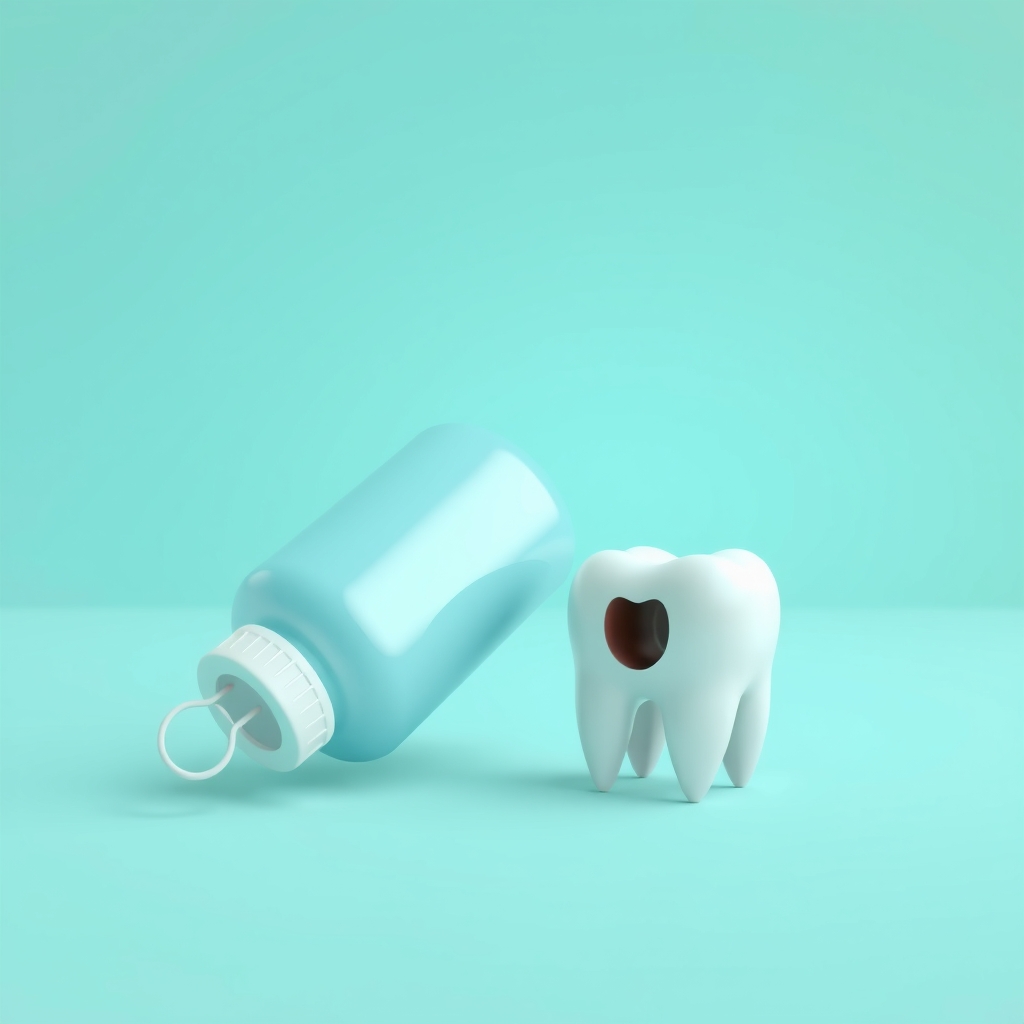
Baby bottle tooth decay refers to cavities that develop in the teeth of infants and toddlers, usually affecting the upper front teeth first. It happens when sugary liquids stay in contact with teeth for long periods, allowing bacteria in the mouth to produce acid that wears away the enamel.
Because baby teeth have thinner enamel than adult teeth, decay can progress faster in toddlers than most parents expect. Left untreated, it can lead to pain, infection, and even early loss of the tooth.
Common Causes
Understanding the causes helps parents make small changes that protect their child's smile.
- Prolonged bottle or sippy-cup use: Sipping on milk, formula, or juice throughout the day or during naps keeps sugar in contact with teeth for long stretches.
- Bedtime bottles: Falling asleep with a bottle of milk or juice is one of the biggest risk factors, since saliva flow slows down during sleep and sugars linger longer.
- Sugary liquids: Juices, flavoured milk, and sweetened water increase the amount of sugar available for decay-causing bacteria.
- Sharing feeding spoons or cleaning pacifiers by mouth: This can transfer decay-causing bacteria from parent to child.
- Delayed or irregular oral cleaning: Not wiping gums or brushing teeth after feeds allows bacteria and sugar to build up.
Signs Parents Should Watch For
- Dull white spots near the gumline, often the earliest sign
- Brown or dark spots on the front teeth
- Visible pits or holes in the teeth
- Your toddler avoiding certain foods or fussing while eating
- Bad breath that does not improve with cleaning
If you notice any of these, it is a good idea to get your child checked rather than wait for the spots to grow larger.
How to Prevent Baby Bottle Tooth Decay
Everyday Habits
- Avoid putting your toddler to bed with a bottle of milk or juice. Plain water is a safer option if a bedtime bottle is needed.
- Limit sippy-cup use to mealtimes rather than all-day sipping.
- Offer water instead of juice or sweetened drinks whenever possible.
- Wipe your baby's gums with a clean, damp cloth after feeds, even before teeth appear.
- Once teeth erupt, brush gently twice a day with a soft, age-appropriate toothbrush and a rice-grain-sized smear of fluoride toothpaste for children under 3, moving to a pea-sized amount after age 3.
- Encourage cup drinking by around 12 months and try to wean off the bottle by 12 to 18 months.
Dietary Tips
- Reduce frequency of sugary snacks and drinks rather than just the total amount, since frequent exposure matters more for decay risk.
- Choose whole fruits over fruit juices where possible.
- Avoid dipping pacifiers in sugar, honey, or sweet syrups.
Treatment Options for Toddlers
Treatment depends on how early the decay is caught.
- Early white spots: Often managed with fluoride applications and improved home cleaning to help remineralise the enamel.
- Small cavities: May be treated with a simple filling or, in some cases, a tooth-coloured protective restoration.
- Larger or deeper cavities: May need a crown designed for baby teeth to protect the remaining structure.
- Severe decay with infection: May require treatment of the nerve or, rarely, removal of the tooth if it cannot be saved.
| Treatment | Typical Range (INR) |
|---|---|
| Fluoride application | Rs 500 to Rs 1,200 per visit |
| Simple filling in a baby tooth | Rs 800 to Rs 2,500 per tooth |
| Baby tooth crown | Rs 2,500 to Rs 6,000 per tooth |
These are typical ranges for Sector 38, Gurugram and can vary based on the extent of decay and the treatment chosen. Your dentist can share exact costs after an examination.
Why Early Dental Visits Matter
Most dental guidelines suggest a child's first dental visit should happen around their first birthday or when the first tooth appears. Regular check-ups every six months help catch early signs of decay before they turn into bigger problems, and give parents a chance to ask questions about brushing, diet, and habits specific to their toddler.
If you have noticed spots on your toddler's teeth or simply want a routine check, the team at Rohini Dental Care in Sector 38, Gurugram is happy to guide you through gentle, age-appropriate care for your little one. You can reach us at +91 98737 91714.
Have questions about your teeth?
Rohini Dental Care · 209 P, Medicity, Islampur Colony, Sector 38, Gurugram
Frequently asked questions
At what age can baby bottle tooth decay start?
It can start as soon as the first teeth appear, usually around 6 to 12 months of age, especially if bottles or sippy cups with sugary liquids are used frequently, including at night.
Are baby teeth even worth treating if they will fall out anyway?
Yes. Baby teeth hold space for adult teeth, help with chewing and speech, and untreated decay can cause pain, infection, and problems with the permanent teeth developing underneath.
Can breast milk also cause tooth decay?
Frequent nighttime breastfeeding without any oral cleaning afterward can contribute to decay too, though the risk is generally lower than with sugary bottle feeds. Wiping gums or brushing after feeds still helps.
Is it safe to put my toddler to sleep with a milk bottle?
It is best avoided. Milk pooling around teeth for hours during sleep is one of the most common causes of early childhood caries. If needed, offer plain water in the bottle instead.
Treatment costs mentioned on this page are indicative ranges for the Sector 38, Gurugram region. Your exact cost depends on your case and will be confirmed after a clinical examination at the clinic.