Tongue and Lip Piercings: Oral Health Risks and Aftercare Tips
Tongue and lip piercings have become a popular way to express personal style, and many patients in Sector 38, Gurugram ask us whether they are safe for oral health. As dentists, our job is to give you honest, practical information so you can make an informed decision, whether you already have a piercing or are thinking about getting one.
Why the Mouth Is a Sensitive Area for Piercings
The mouth is warm, moist, and full of bacteria, which makes it an easy place for infections to start. Unlike piercings on the ear or nose, oral piercings sit right next to teeth, gums, and sensitive tissue that are constantly in motion while you eat, speak, and swallow. This constant movement and contact is what creates most of the long-term risks.
Common Oral Health Risks
Infection
The tongue and lips have a rich blood supply, and swelling after a fresh piercing is common. If bacteria enter the wound, infection can set in quickly, sometimes leading to abscesses. In rare but serious cases, swelling can affect breathing or swallowing, which needs urgent medical care.
Gum Recession
Lip and tongue jewellery often rubs against the gums every time you talk or chew. Over time, this friction can wear away gum tissue, a condition known as gum recession. Receded gums expose the tooth root, which can cause sensitivity and increase the risk of decay and gum disease.
Tooth Damage
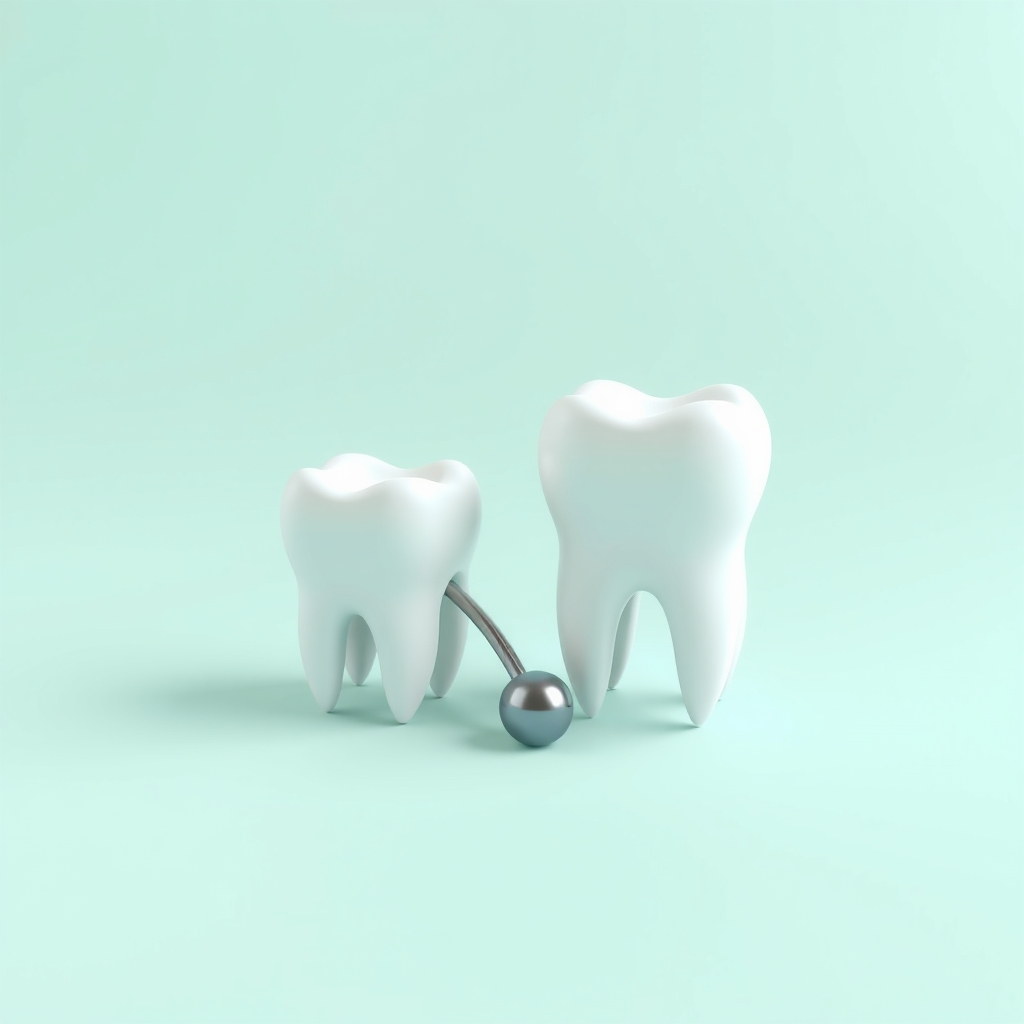
Metal barbells can chip, crack, or wear down teeth, especially the biting edges of front teeth. This damage often happens slowly from habitual clicking or biting on the jewellery, so patients may not notice it until a chip appears or a tooth becomes sensitive to temperature.
Other Concerns
- Increased saliva flow and speech changes during the healing period
- Choking risk if the jewellery becomes loose
- Nerve damage causing numbness or altered taste, in rare cases
- Interference with X-rays or dental treatment if not removed beforehand
Safe Aftercare Tips
If you already have an oral piercing or are set on getting one, these steps can lower your risk significantly.
- Choose a licensed, experienced piercer who uses sterile, single-use needles and follows hygiene protocols.
- Rinse with an alcohol-free antibacterial mouth rinse several times a day during healing, especially after meals.
- Avoid touching the piercing with unwashed hands, and do not play with or click the jewellery against your teeth.
- Stick to soft, cool foods for the first few days to reduce irritation and swelling.
- Choose jewellery made of titanium or surgical steel with a properly sized, smooth barbell to reduce friction with gums and teeth.
- Brush gently around the piercing site and maintain regular oral hygiene throughout healing.
- Avoid alcohol, smoking, and oral contact such as kissing until the area has fully healed.
When to See a Dentist
Book an appointment if you notice persistent swelling, pain that does not improve, bleeding, a bad taste or odour, or if you see a chip or crack in a tooth near the piercing. Regular dental check-ups are important for anyone with an oral piercing, since gum recession and enamel wear can develop gradually without obvious symptoms early on.
A Balanced View
Many people wear oral piercings for years without major problems, particularly when they choose good quality jewellery, practise careful aftercare, and attend routine dental visits. The key is being aware of the risks so you can catch small issues before they become bigger ones. If you are considering a piercing or already have one and want a professional opinion, our team at Rohini Dental Care in Sector 38, Gurugram is happy to guide you through what to watch for and how to protect your smile.
| Concern | What to Watch For | When to Seek Help |
|---|---|---|
| Infection | Redness, swelling, pus, fever | Within 24 to 48 hours of symptoms |
| Gum recession | Gum line pulling back, tooth sensitivity | At your next dental check-up |
| Tooth damage | Chips, cracks, sharp edges | As soon as noticed |
Have questions about your teeth?
Rohini Dental Care · 209 P, Medicity, Islampur Colony, Sector 38, Gurugram
Frequently asked questions
Is it safe to get a tongue or lip piercing?
It is a personal choice, but dentists generally advise caution because the mouth carries risks like infection, gum recession, and tooth damage. If you choose to get one, pick an experienced, licensed piercer who follows strict hygiene standards and talk to your dentist beforehand.
How long does it take for an oral piercing to heal?
Tongue piercings typically take about four to six weeks to heal, while lip piercings may take six to eight weeks. Swelling and tenderness in the first few days are normal, but pain or swelling that worsens after a week needs prompt attention.
Can a tongue piercing damage my teeth even years later?
Yes. Chronic clicking of the jewellery against teeth can cause chips, cracks, or wear over months and years, even if there was no damage initially. Regular dental check-ups help catch early signs of wear.
What should I do if my piercing site looks infected?
Contact your dentist or doctor promptly if you notice increasing redness, swelling, pus, fever, or difficulty swallowing. Do not remove the jewellery yourself without guidance, as this can trap infection inside.
Treatment costs mentioned on this page are indicative ranges for the Sector 38, Gurugram region. Your exact cost depends on your case and will be confirmed after a clinical examination at the clinic.